Overmolding services have become an essential part of modern manufacturing for industries that require enhanced performance, durability, and refined product aesthetics. By combining multiple materials—typically rigid plastic substrates with soft or functional layers—overmolding manufacturing enables the production of fully integrated, high-value components in a single process.
At its core, overmolding is an advanced plastic overmolding process where a base part is first created using an injection mold, then placed into a second mold to apply an additional material layer.
This technique, often executed through two-shot injection molding, results in strong material bonding, improved ergonomics, and superior functional performance. The final overmolded parts eliminate secondary assembly steps while enhancing durability, grip, sealing, and visual appeal.
Manufacturers across medical, automotive, electronics, and industrial sectors rely on custom overmolding solutions to meet strict design, safety, and performance requirements. From material selection and tool design to precision molding and quality control, a professional overmolding service ensures consistent results, scalable production, and optimized cost efficiency.
This guide explores the fundamentals of overmolding, including process workflows, material compatibility, design considerations, quality standards, cost drivers, and how to select the right manufacturing partner for your project.
What Are Overmolding Services?
Overmolding services are an advanced plastic injection molding technique in which a secondary material is molded directly over a pre-formed substrate, creating a single, fully integrated component. This multi-material injection molding approach allows manufacturers to combine structural strength with functional or ergonomic features in one efficient production cycle.

In most cases, the base substrate is made from rigid plastic or metal and is produced using a dedicated tool during the initial injection molding process. The part is then transferred—manually or automatically—into a second mold, where the overmolding process applies a softer material such as TPE, TPU, silicone, or rubber overmolding compounds. The result is a permanent mechanical and chemical bond between materials, eliminating the need for adhesives or fasteners.
Overmolding is often compared with insert molding, and understanding insert molding vs overmolding is critical during design. While insert molding places components into a mold before injection, overmolding builds directly onto an existing molded part, offering greater design flexibility and improved surface integration.
By enhancing grip, sealing, vibration damping, insulation, and aesthetics, overmolding delivers real functional value. It reduces assembly steps, improves durability, and produces cleaner, more reliable parts for medical, automotive, electronics, and industrial applications.
How the Overmolding Process Works
Understanding how the plastic overmolding process works is critical when developing reliable custom plastic parts that require strength, comfort, and multi-material functionality. Overmolding creates durable overmolded parts by bonding a secondary material—known as the overmold—onto a pre-formed base component.
Step 1: Substrate Molding
The process begins with molding the base custom plastic substrate using a standard injection molding cycle. Depending on the application, this substrate may be produced from rigid thermoplastic materials such as ABS, PC, nylon, or polypropylene. In certain designs, metal inserts are used, enabling plastic-to-metal overmolding for enhanced structural performance. This initial stage is similar to insert molding, but instead of embedding inserts during injection, the substrate is formed first.
Step 2: Transfer or Indexing
Once the substrate is complete, it is transferred into a second mold or rotated automatically within a multi-shot molding machine. This step supports both plastic-to-plastic overmolding and plastic over metal applications. Precise alignment is essential to ensure proper bonding, dimensional accuracy, and consistent material flow during custom overmolding operations.
Step 3: Overmolding Injection
During this phase, the overmold material—often selected from elastomer overmolding materials such as TPE, TPU, or silicone—is injected over specific areas of the substrate. These materials create functional features such as a soft grip, sealing surfaces, insulation, or vibration damping. The overmold bonds mechanically and chemically to the base component, forming a permanent, integrated structure.
Step 4: Cooling and Ejection
After cooling, the finished overmolded parts are ejected as a single component. The result is a high-quality, multi-material solution ready for use, combining durability, ergonomics, and precision manufacturing in one efficient process.
Types of Overmolding Services
Different overmolding services are selected based on application requirements, material compatibility, production volume, and performance expectations. Choosing the right overmolding type is critical to achieving proper bonding, tight tolerance control, and long-term durability for each overmolding project.
Plastic Over Plastic Overmolding
Plastic over plastic overmolding is the most widely used approach in precision overmolding services. It combines a rigid plastic substrate with a softer elastomer layer to enhance grip, sealing, or impact resistance. Common material pairings include ABS with TPE overmolding, PC with TPU overmolding, and nylon with rubber-like compounds.
These combinations are frequently used in grips, buttons, housings, and protective covers for consumer and industrial plastic part designs. Material selection, resin compatibility, and mold design all play a key role in achieving consistent results.

Silicone Overmolding
LSR overmolding (liquid silicone rubber) is widely applied in medical devices, healthcare products, and high-end electronics. Silicone’s flexibility, biocompatibility, and resistance to heat and chemicals make it ideal for sealing and insulation applications. Medical device overmolding services often require cleanroom production, precise tooling, and strict quality control.
Many suppliers offering silicone solutions operate under ISO 13485 overmolding standards to meet regulatory requirements. This process is commonly used for seals, buttons, and protective interfaces in sensitive equipment.
Rubber Overmolding
Rubber overmolding is designed to improve shock absorption, vibration damping, and ergonomic handling. It is commonly found in automotive overmolding components, power tools, and heavy-duty equipment. Rubber materials provide durability and comfort while maintaining structural integrity under harsh conditions.
Across all types, modern overmolding relies on advanced machine automation, tight process control, and accurate tooling. Manufacturers often support prototype development, fast sampling, and even instant online quote systems to accelerate product development. These capabilities are especially valuable for electronics overmolding services, where precision and repeatability are critical.
Insert Molding vs Overmolding
Insert molding and overmolding are often mentioned together, but they serve different manufacturing purposes. Understanding the distinction is critical for proper mold design, material selection, and cost control. Both processes involve molding plastic around another component, yet they differ in workflow, bonding behavior, and application focus across plastic and metal assemblies.
Insert molding embeds a component directly into molten plastic during the initial molding cycle. Overmolding, by contrast, builds a second material layer onto an existing plastic substrate, creating custom overmolded parts with added functionality such as grip, sealing, or insulation. Choosing the right method depends on part geometry, performance requirements, and production volume.
| Feature | Insert Molding | Overmolding |
|---|---|---|
| Base component | Metal or plastic insert | Pre-molded plastic substrate |
| Process flow | Insert placed into mold before injection | Second material molded over existing part |
| Bonding type | Primarily mechanical | Chemical + mechanical |
| Materials | Plastic and metal combinations | Plastic, elastomers, silicone overmolding |
| Typical results | Structurally reinforced parts | Ergonomic, sealed, or soft-touch surfaces |
| Common applications | Electrical terminals, fasteners | Grips, seals, housings, custom overmolded designs |
In practice, many manufacturers offer both insert molding and overmolding services. The final decision should be driven by functional goals, bonding requirements, and how the plastic molded part will perform in real-world use.
Materials Used in Overmolding Services
Successful overmolding depends heavily on proper material selection, especially when combining multiple materials within a single component. In expert overmolding services, material compatibility is evaluated early to ensure reliable bonding, long-term performance, and cost-effective production.
Common Substrate Materials
The substrate forms the structural foundation of the part and is typically produced through injection molding and overmolding workflows using a dedicated injection molding tool. Common substrate materials include ABS, polycarbonate (PC), nylon (PA6, PA66), polypropylene (PP), and PBT. In more demanding applications, metal components such as steel, aluminum, or brass are used, enabling robust injection overmolding services solutions for structural and electrical parts.
Common Overmolding Materials
The overmold layer is selected to add functionality such as grip, sealing, insulation, or vibration damping. Popular choices include TPE, TPU, silicone rubber, Liquid Silicone Rubber (LSR), and EPDM-based compounds. These materials are widely used in consumer product overmolding services, industrial equipment overmolding, and overmolded cable assemblies, where flexibility and durability are essential.

Material Bonding Considerations
Not all materials bond naturally during the manufacturing process. Professional overmolding services relies on chemical adhesion, mechanical interlocks, surface texturing, and plasma or surface treatment to enhance bonding strength. Applying proven design tips during the DFM stage ensures compatibility, reduces failure risk, and supports consistent quality across production runs.
An experienced manufacturer validates all material combinations before tooling, ensuring optimized performance throughout the full injection molding and overmolding cycle.
Overmolding Design Considerations
Design for manufacturability (DFM) plays a decisive role in achieving reliable, repeatable results in overmolding. Whether the goal is functional sealing, ergonomic soft grips, or durable surface protection, early design decisions directly affect tooling complexity, cycle time, and final part quality.
Wall Thickness and Flow Paths
Maintaining uniform wall thickness across both the rigid plastic substrate and the overmold material helps prevent sink marks, voids, and incomplete fill. Proper flow paths are especially important when using flexible plastic or thermoplastic elastomer overmolding, where material viscosity can vary.
Undercuts and Mechanical Locking
Strategically designed undercuts improve mechanical bonding, particularly when chemical adhesion between plastic resins is limited. This is critical in applications involving a metal insert or rigid part where adhesion alone may not be sufficient.
Draft Angles
Adequate draft angles allow clean part ejection without tearing or deforming the overmold layer. This is essential for soft-touch overmolding and silicone overmolding services, where softer materials are more sensitive to ejection forces.

Tolerance Control
Overmolded components require tight tolerance management, especially in sealing surfaces and mating features. This often demands tighter control than traditional injection molding due to the interaction between rigid and soft materials.
Material Compatibility
Selecting compatible plastic resins, including thermoplastic elastomer grades, ensures reliable bonding and consistent appearance. Material mismatch can lead to delamination or cosmetic defects.
Surface Finish and Aesthetics
Designing for specific overmolding finishes—such as matte, textured, or high-grip surfaces—enhances usability and visual appeal in consumer products.
Tooling and Process Integration
Working with an in-house engineering team that offers tooling support and overmolding resources early in the design phase helps optimize mold layout, reduce revisions, and accelerate production.
Early collaboration with an experienced overmolding service provider ensures design intent aligns with manufacturing realities, minimizing delays and maximizing part performance.
Industries That Use Overmolding Services
Overmolding is used across a wide range of industries where durability, functionality, and refined product design are critical. By integrating materials into a single component, manufacturers can improve performance, reduce assembly complexity, and enhance overall product value. The benefits of overmolding extend beyond aesthetics, directly supporting smarter part design and long-term reliability.
Medical Device Manufacturing
In the medical sector, overmolding is used for surgical instruments, diagnostic device housings, catheter handles, and sealing components. Medical applications often rely on liquid silicone rubber or medical-grade elastomers to achieve flexibility and biocompatibility. Strict material compatibility and consistent bond strength are essential, along with ISO 13485 certification, cleanroom molding environments, and validated manufacturing processes to meet regulatory requirements.
Automotive Industry
Automotive overmolding improves safety, durability, and comfort in sensor housings, electrical connectors, gaskets, seals, and interior controls. Vibration-dampening overmolding helps reduce noise, vibration, and harshness (NVH), while shock absorption enhances component longevity under dynamic loads. These solutions are critical for both interior and under-the-hood applications.
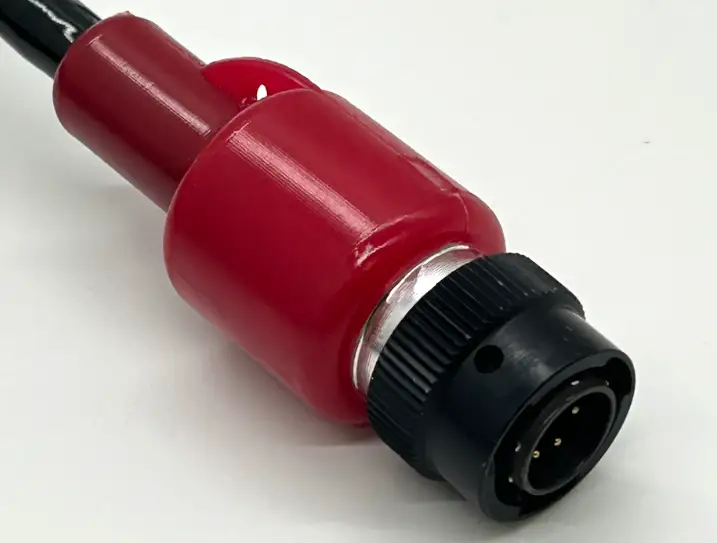
Consumer Electronics
Electronics manufacturers rely on waterproof overmolding solutions to protect sensitive components from moisture, dust, and impact. Applications include wearable devices, handheld electronics, and charging connectors. Overmolding also enables compact, integrated designs with reliable sealing and improved durability.
Industrial and Power Tools
For industrial equipment and power tools, overmolding delivers overmolded grips and handles that improve comfort, control, and safety. Ergonomic overmolding design enhances user experience while providing insulation and protection in harsh working environments.
Packaging and Consumer Products
In consumer goods, overmolding enhances usability, visual appeal, and structural integrity. By combining rigid and soft materials in one step, manufacturers reduce part count, streamline assembly, and create differentiated products that perform better in real-world use.
Quality Control in Overmolding Services
Consistent quality is essential when manufacturers produce custom overmolded components, especially in regulated and high-performance industries. From custom prototypes to prototypes and on-demand production parts, quality control ensures that overmolds meet functional, dimensional, and aesthetic requirements throughout the entire production cycle.
Effective quality control in overmolding services typically includes early-stage design analysis, where engineers evaluate geometry, bonding surfaces, and overmolding material selection. This step helps prevent overmolding adhesion issues and ensures proper material compatibility overmolding before tooling begins.
Key Quality Control Measures
- Incoming material inspection to verify resin consistency and traceability
- First article inspection (FAI) to validate tooling and process setup
- In-process monitoring while plastic is molded to maintain stable conditions
- Bond strength testing to confirm reliable bonding in overmolding
- Dimensional inspection to ensure parts meet tolerance requirements
- Visual and cosmetic checks to support design flexibility and appearance standards
Advanced molding shops rely on automated vision systems and statistical process control (SPC) to maintain consistency across production runs. These systems help ensure repeatable quality from prototype development through full-scale overmolding production.
Tooling and Mold Design for Overmolding
Tooling and mold design play a critical role in successful overmolding, as these molds are inherently more complex than those used in standard injection molding. Effective tooling enables manufacturers to mold multiple materials and colors in a single production cycle, supporting advanced functional and aesthetic requirements.
Common Mold Types
- Two-shot molds for sequential material injection
- Rotary platen molds that rotate parts between molding stations
- Transfer molds are used when metal parts need to be positioned onto plastic substrates
Each mold type is selected based on part geometry, production volume, and material compatibility.

Tooling Considerations
- Precise alignment between cavities to ensure accurate material placement
- Proper venting to allow the smooth flow of elastomers and avoid air traps
- Controlled temperature zones to optimize bonding and reduce defects
Well-designed tooling supports overmolding defect prevention, improving bond quality, surface finish, and dimensional consistency. Although initial tooling investment is higher, overmolding makes it possible to eliminate secondary assembly steps, resulting in lower overall manufacturing costs.
Working with an experienced overmolding supplier ensures access to optimized tooling strategies and cost-effective overmolding services. Many suppliers also offer fast turnaround and the ability to quote today, helping accelerate product development while maintaining quality and reliability.
Cost Factors in Overmolding Services
The total cost of an overmolding project is influenced by multiple technical and production-related variables. Understanding these factors early allows manufacturers to make informed decisions and achieve the best balance between performance, quality, and budget. Well-planned custom overmolding services ensure predictable costs and stable long-term production.
Key Cost Drivers
- Material selection, including compatibility between substrate and overmold materials
- Mold complexity, especially when custom tooling for overmolding is required
- Production volume, which directly affects tooling amortization and unit cost
- Cycle time, influenced by cooling requirements and material flow behavior
- Quality requirements, including inspection standards and overmolding quality control procedures
Surface finish requirements—such as a 320 stone low polish—can also impact tooling cost and cycle time, particularly for cosmetic or tactile components.
Cost Optimization Strategies
- Applying DFM for overmolding to simplify part geometry and reduce tooling revisions
- Optimizing material compatibility to minimize adhesion failures and scrap rates
- Investing in robust tooling for high-volume production, whereovermolding eliminates secondary assembly, adhesives, and fastening steps
An experienced overmolding supplier plays a key role in cost optimization by evaluating design intent, production goals, and quality expectations early in the project. Through proper tooling strategy and process control, manufacturers can achieve reliable, scalable, and cost-effective overmolding solutions without compromising performance.
How to Choose the Right Overmolding Service Provider
Selecting the right overmolding service provider is a critical decision that directly impacts product quality, cost, and time to market. Because overmolding involves combining two or more materials into a single component, the manufacturer must have the technical capability to manage complex processes while creating a strong bond between materials.
What to Look For
A qualified overmolding partner should demonstrate proven experience across a wide range of applications, supported by strong DFM and engineering expertise. Effective design support helps optimize part geometry, material interfaces, and tooling strategy before production begins. Deep material knowledge is essential for achieving reliable adhesion, consistent performance, and durable results.
Quality systems also matter. Certifications such as ISO 9001 and ISO 13485 indicate a structured approach to process control, traceability, and risk management—especially important for regulated industries. In-house tooling capabilities allow for faster iterations, tighter control over mold quality, and customized surface finishes, including requirements such as polish to 320 stone low for functional or cosmetic needs.
Clear communication and professional project management ensure expectations are aligned throughout development and production. Ultimately, the right partner delivers high-quality custom overmolded parts and acts as a true technical collaborator—helping refine designs, solve manufacturing challenges, and support long-term success rather than simply supplying molded components.

Conclusion
Overmolding services provide manufacturers with an efficient way to improve product performance, durability, and appearance while reducing assembly steps and overall costs. By combining compatible materials with precision tooling and controlled processes, overmolding enables integrated part designs that deliver both functional and aesthetic benefits.
Whether supporting low-volume overmolding prototyping during product development or scaling to high-volume overmolding production, an experienced overmolding service provider plays a critical role in success.
With the right partner, manufacturers can achieve consistent quality, reliable bonding, and efficient production across medical, automotive, electronics, and industrial applications—turning complex design requirements into dependable, market-ready products.