Introduction to Thermoplastic Overmolding
Thermoplastic overmolding is a versatile and widely used injection molding process that involves adding a layer of thermoplastic material onto an existing substrate.
This substrate can be made of metal, plastic, or another material, while the overmolded material is typically a softer polymer, such as thermoplastic elastomers (TPE), thermoplastic polyurethane (TPU), or polyolefins.
The result is a product that combines the strength, durability, and structure of the base material with the flexibility, comfort, or protection provided by the overmold.
In recent years, thermoplastic overmolding has gained popularity due to its ability to combine multiple materials into a single, cohesive part. This makes it especially useful in industries like automotive, consumer electronics, medical devices, and industrial manufacturing.
However, like any manufacturing process, thermoplastic overmolding has its own set of advantages and limitations. In this article, we will explore the materials used in thermoplastic overmolding, the benefits it offers, and the limitations that need to be considered when using this process.
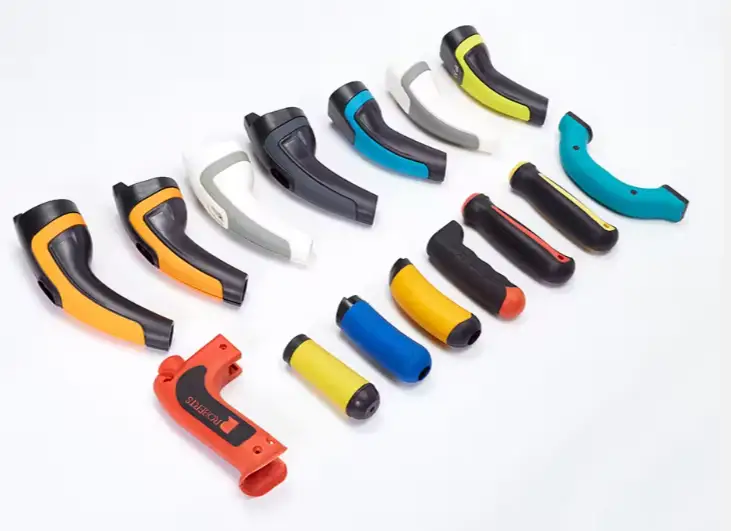
What is Thermoplastic Overmolding?
Thermoplastic overmolding is an advanced manufacturing technique that involves injecting a thermoplastic material around an existing substrate to form a multi-material component. This process typically requires two steps:
- Substrate Preparation: The base material, which could be a rigid plastic, metal, or any other material, is first molded into its desired shape.
- Overmolding Injection: The second material, typically a thermoplastic elastomer (TPE) or another soft polymer, is injected over the base material to bond with it during the molding process.
This results in a final product that combines the properties of both materials, offering enhanced functionality, aesthetics, and user experience. Thermoplastic overmolding is often chosen for applications requiring both rigidity and flexibility in a single component.
Key Features of Thermoplastic Overmolding
- Dual Material Integration: The process allows for the use of two materials with different mechanical properties.
- Chemical and Mechanical Bonding: The overmolded material bonds with the substrate, either chemically or mechanically, ensuring a strong attachment.
- Single-Step Production: Unlike traditional assembly methods, thermoplastic overmolding combines both materials in a single molding cycle, reducing labor and manufacturing costs.
- Enhanced Design Flexibility: This process offers greater design flexibility, allowing for the integration of various materials, textures, and colors into the same part.
Materials Used in Thermoplastic Overmolding
The choice of materials for thermoplastic overmolding is a crucial factor in determining the performance and durability of the final product. The two main categories of materials used in thermoplastic overmolding are substrates and overmolding materials. Let’s dive deeper into each category.
1. Substrate Materials
Substrate materials are the foundation of the overmolded part. These materials must be compatible with the overmolding material to ensure strong bonding during the injection process. Common substrate materials include:
- Plastics: Thermoplastics like ABS (Acrylonitrile Butadiene Styrene), polycarbonate (PC), polyethylene (PE), and polypropylene (PP) are widely used as substrates in thermoplastic overmolding. These plastics offer rigidity, durability, and excellent chemical resistance.
- Metals: Materials such as steel, aluminum, or brass can also serve as substrates, especially in applications requiring enhanced strength, conductivity, or heat resistance.
- Glass-Filled Plastics: These are often used when extra strength and heat resistance are required, typically in automotive or industrial applications.
2. Overmolding Materials
The overmolding material is injected over the substrate to provide specific properties such as flexibility, grip, cushioning, or aesthetics. Some of the most common thermoplastic materials used for overmolding include:
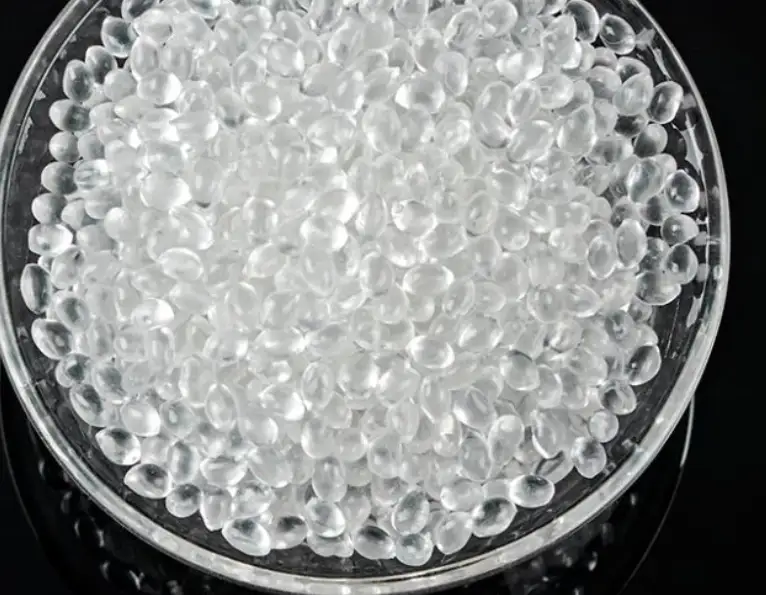
- Thermoplastic Elastomers (TPE): TPEs are a popular choice for overmolding due to their rubber-like properties. TPEs offer flexibility, softness, and resistance to wear and tear, making them ideal for applications like grips, seals, and gaskets.
- Thermoplastic Polyurethane (TPU): TPU offers exceptional flexibility, abrasion resistance, and tensile strength. It is commonly used for overmolding in applications that require durability, such as automotive parts, sports equipment, and medical devices.
- Polypropylene (PP): PP is a widely used thermoplastic for overmolding, known for its chemical resistance, low friction, and good impact resistance. It is commonly used in automotive, packaging, and consumer goods applications.
- Polyvinyl Chloride (PVC): PVC is used for overmolding when flexibility, chemical resistance, and low cost are important. It is often used in applications like wire coatings, hoses, and medical tubing.
- Polycarbonate (PC): Polycarbonate is used for overmolding when transparency, high strength, and impact resistance are required, such as in medical devices or optical applications.
Benefits of Thermoplastic Overmolding
Thermoplastic overmolding offers numerous benefits that make it a popular choice for many industries. Below are some of the key advantages of this process:
1. Cost Efficiency
Thermoplastic overmolding can reduce manufacturing costs by eliminating the need for secondary assembly steps, such as gluing or ultrasonic welding. The ability to combine two materials in a single molding cycle streamlines the production process, saving both time and money. Additionally, because the overmolding material bonds directly with the substrate, the need for additional adhesives or fasteners is eliminated.
2. Improved Durability and Performance
Thermoplastic overmolding enables manufacturers to combine materials with different properties, resulting in a product that is both strong and flexible. For example, a rigid plastic substrate can be overmolded with a soft elastomer to provide a comfortable grip while maintaining the structural integrity of the part. The overmolded layer can also provide protection against wear and tear, UV light, chemicals, or moisture, improving the overall durability of the product.
3. Enhanced Aesthetics
Overmolding allows for greater flexibility in design, enabling manufacturers to create products with multiple colors, textures, and finishes. This is particularly valuable in consumer electronics, automotive, and medical device industries, where both functionality and visual appeal are important. The overmolded material can also provide a smooth, seamless finish that enhances the overall look and feel of the product.
4. Improved Ergonomics and Comfort
Thermoplastic overmolding is often used to improve the comfort and ergonomics of products. For example, consumer electronics like smartphones, remote controls, and power tools can benefit from a soft, rubberized overmolded layer that provides better grip, comfort, and tactile feedback. In medical devices, overmolding can make handles or control knobs more user-friendly and comfortable to hold.
5. Increased Design Flexibility
Thermoplastic overmolding provides greater flexibility in part design, allowing for the integration of multiple materials with different properties into a single component. This opens up possibilities for creating complex, multi-material parts that would otherwise require multiple manufacturing steps. Engineers can also take advantage of overmolding to create parts with different textures, hardness levels, and colors, enhancing both form and function.
Limitations of Thermoplastic Overmolding
While thermoplastic overmolding offers many benefits, it is not without its limitations. Engineers and manufacturers must consider these challenges before deciding if overmolding is the right choice for their application.
1. Material Compatibility
One of the primary challenges in thermoplastic overmolding is ensuring that the substrate and the overmolded material are compatible. The two materials must bond well during the injection process, either through chemical adhesion or mechanical interlocking. If the materials are not properly matched, the bond may fail, leading to product defects and performance issues.
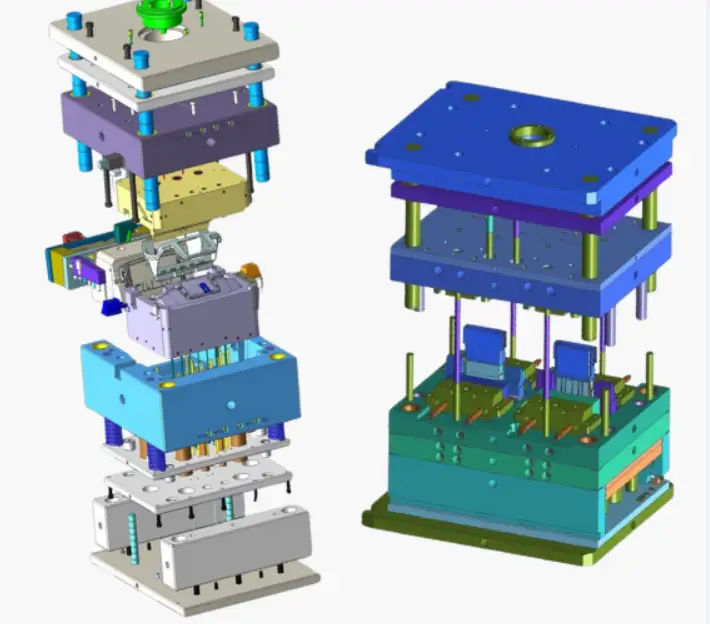
2. Tooling and Mold Design
Thermoplastic overmolding requires specialized tooling and mold designs that can accommodate the different materials and ensure proper injection and cooling. This may increase the initial setup costs and time for mold design, particularly for more complex parts with intricate geometries. Engineers must carefully design the mold to ensure proper material flow and bonding, which can be time-consuming and expensive.
3. Cycle Time
The overmolding process often results in longer cycle times compared to traditional single-material injection molding. The time required for the overmolding material to cool and bond with the substrate can extend the overall production cycle, making it less ideal for high-volume manufacturing in some cases.
4. Cost Considerations
While thermoplastic overmolding can be cost-effective in the long run by eliminating secondary assembly steps, the initial setup costs for mold design and tooling can be high. Additionally, the cost of the overmolding material may increase, particularly for specialized materials like TPE or TPU, which can add to the overall cost of production.
5. Limited Material Options for Certain Applications
While thermoplastic overmolding offers great versatility in material selection, there are certain applications where the range of available overmolding materials may be limited. For example, when extreme temperatures or high-strength requirements are needed, thermoplastic overmolding may not always provide the necessary performance, and alternative manufacturing methods may be required.
Conclusion
Thermoplastic overmolding is an advanced manufacturing process that provides significant advantages in terms of cost efficiency, durability, aesthetics, and design flexibility.