Overmolding offers significant performance and design advantages, but tooling cost is often the first concern for engineers, product managers, and sourcing teams. Compared to standard injection molding, overmolding tooling is more complex, more precise, and typically more expensive.
Understanding what drives overmolding tooling cost—and how to control it—helps avoid budget surprises, delays, and costly redesigns. This article breaks down overmolding tooling costs in detail, explains why prices vary so widely, and provides practical strategies to optimize tooling investment without sacrificing part quality or performance.
What Is Overmolding Tooling?
Overmolding tooling refers to the molds and related systems used to produce overmolded parts. Unlike single-material injection molds, overmolding tooling must accommodate at least two materials, precise alignment, and reliable bonding between layers.
Depending on the production method, overmolding tooling may include:
- Two-shot injection molds
- Transfer overmolding molds
- Insert molding fixtures
- Rotating or sliding mold components
This added complexity directly impacts tooling cost.
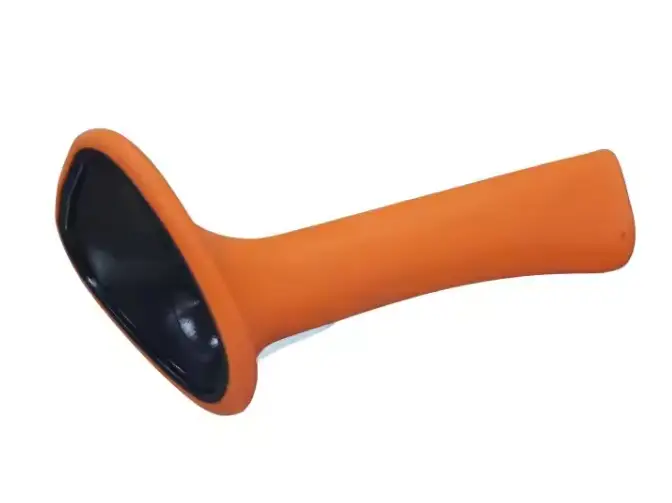
Why Overmolding Tooling Costs More Than Standard Molds
Overmolding tooling costs more because it involves more engineering, tighter tolerances, and additional mold components.
Key Cost Drivers at a Glance
- Multi-material mold design
- Precision alignment requirements
- Complex gating and venting
- Additional mold components and actions
- Longer design and validation time
Each of these factors adds time, risk, and cost to the tooling project.
Overmolding Tooling Cost Breakdown
Understanding how tooling costs are built up helps buyers evaluate quotes more accurately.
Mold Design and Engineering
Designing an overmolding tool requires advanced CAD, mold flow analysis, and DFM review.
Cost factors include:
- Two-material flow simulation
- Bonding area optimization
- Tolerance stack-up analysis
Engineering can account for a significant portion of the upfront cost, but it prevents expensive rework later.
Number of Cavities
Multi-cavity molds increase output but also increase cost.
- Single-cavity molds: lower upfront cost, slower production
- Multi-cavity molds: higher cost, better for high-volume programs
Overmolding molds often start as single- or two-cavity due to complexity.
Two-Shot vs Transfer Overmolding Tooling
The chosen process has a major cost impact.
Two-Shot (Multi-Shot) Tooling
- Higher tooling cost
- Requires specialized injection machines
- Best for high-volume, tight-tolerance parts
Transfer Overmolding Tooling
- Lower tooling cost
- More manual handling
- Suitable for low- to medium-volume production
Mold Complexity and Actions
Overmolding tools often require:
- Slides and lifters
- Rotary platens
- Indexing mechanisms
Each moving component increases machining time, assembly effort, and maintenance cost.
Material Considerations
Different materials place different demands on tooling.
- Abrasive materials (glass-filled plastics) wear molds faster
- High-temperature materials require special steel
- Elastomers may require polished surfaces and special venting
Tool steel selection has a direct impact on both cost and tool life.

Secondary Tooling and Fixtures
In some overmolding processes, additional fixtures are needed.
Examples include:
- Insert loading fixtures
- Transfer jigs
- Alignment fixtures
While often overlooked, these costs should be included in the total tooling budget.
Validation, Sampling, and Rework Costs
Overmolding tools require more testing than standard molds.
Typical Validation Steps
- T0 / T1 sampling
- Bond strength testing
- Dimensional inspection
- Process optimization
Design changes discovered late can lead to costly tool rework.
How Production Volume Affects Tooling Cost Decisions
Production volume plays a key role in determining the right tooling strategy.
Low-Volume Production
- Simpler tooling
- Transfer overmolding
- Lower upfront cost
High-Volume Production
- Two-shot molds
- Multi-cavity tools
- Higher upfront cost, lower part cost
Choosing the wrong tooling approach can inflate costs unnecessarily.
How Part Design Impacts Tooling Cost
Design decisions directly affect tooling complexity.
Features That Increase Cost
- Deep undercuts
- Tight tolerances
- Thin overmold layers
- Complex parting lines
Cost-Saving Design Strategies
- Simplify part geometry
- Standardize wall thickness
- Reduce unnecessary cosmetic features
- Design mechanical locking features efficiently
Early DFM review is one of the most effective ways to reduce tooling cost.
Geographic Factors and Supplier Pricing
Tooling costs vary by region due to labor rates, machining capability, and supplier experience.
Key Considerations
- Lower cost does not always mean better value
- Experience in overmolding tooling matters more than location
- Poor tooling quality leads to higher long-term cost
A reliable supplier balances cost, quality, and delivery.
Tooling Cost vs Total Cost of Ownership
Tooling cost should not be evaluated in isolation.
Consider the Full Picture
- Tool life and maintenance
- Scrap rate
- Cycle time
- Part quality consistency
A slightly higher tooling cost can lead to significantly lower long-term production costs.
How to Reduce Overmolding Tooling Cost Without Increasing Risk
Practical Cost-Control Strategies
- Validate material compatibility early
- Use transfer overmolding for prototypes
- Invest in DFM before cutting steel
- Avoid over-engineering cosmetic details
- Plan tooling upgrades in phases
Smart planning reduces surprises and delays.
Common Tooling Cost Mistakes to Avoid
- Underestimating complexity
- Skipping material testing
- Choosing tooling based on lowest quote only
- Ignoring future volume growth
These mistakes often lead to higher total cost and longer timelines.
Getting Accurate Overmolding Tooling Quotes
To receive accurate quotes, provide:
- 3D CAD files
- Material specifications
- Annual volume estimates
- Quality and certification requirements
Clear input leads to realistic pricing and fewer change orders.
Conclusion: Understanding Tooling Cost Leads to Better Decisions
Overmolding tooling cost is higher than standard injection molding, but it reflects the added value and complexity of multi-material manufacturing.
By understanding what drives tooling cost and making informed decisions early—on design, materials, and production volume—manufacturers can control investment, reduce risk, and achieve long-term cost efficiency.
Overmolding tooling is not just an expense; it is an investment in product performance, reliability, and manufacturability.