Cleanroom overmolding has become a critical manufacturing process for medical applications where precision, hygiene, and regulatory compliance are non-negotiable.
As medical devices continue to evolve toward more complex designs, integrated functions, and patient-safe materials, manufacturers increasingly rely on cleanroom overmolding to meet strict industry standards.
This article explores what cleanroom overmolding is, why it matters for medical applications, how the process works, and what to consider when choosing a qualified cleanroom overmolding partner.
What Is Cleanroom Overmolding?
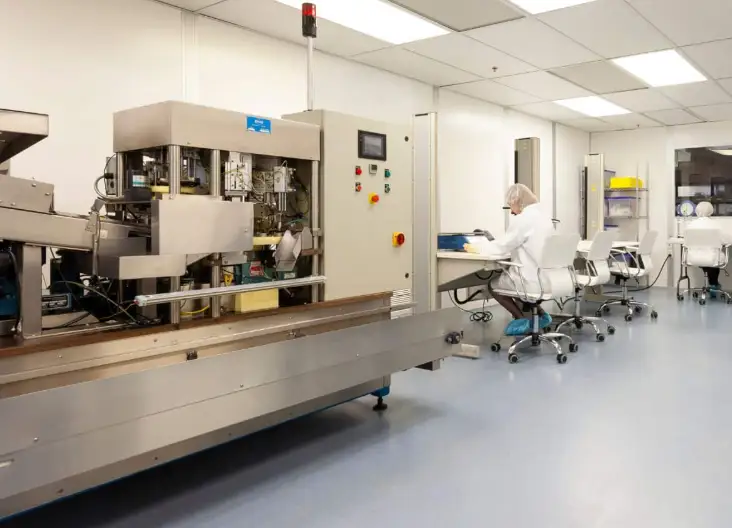
Cleanroom overmolding is a specialised injection molding process performed inside a controlled cleanroom environment. It involves molding one material over a pre-existing component (substrate or insert) while maintaining strict control over airborne particles, contamination, and environmental conditions.
In medical manufacturing, cleanroom overmolding is commonly used to combine:
- Rigid plastics with soft elastomers
- Medical-grade thermoplastics with silicone or TPE
- Functional inserts with protective or ergonomic outer layers
By performing overmolding inside a cleanroom, manufacturers significantly reduce the risk of contamination, ensuring the final medical device meets FDA, ISO 13485, and GMP requirements.
Why Cleanroom Overmolding Is Essential for Medical Applications
Medical devices often come into direct contact with patients, fluids, or sterile environments. Even microscopic contamination can lead to product failure, infection risk, or regulatory rejection.
Cleanroom overmolding addresses these risks by offering:
1. Contamination Control
Cleanrooms regulate:
- Airborne particle counts
- Temperature and humidity
- Personnel movement and gowning
- Material handling and workflow
This controlled environment is essential for manufacturing implantable, invasive, or sterile medical components.
2. Compliance with Medical Regulations
Medical cleanroom overmolding supports compliance with:
- ISO 13485 (Medical device quality management)
- FDA 21 CFR Part 820
- USP Class VI material requirements
- ISO 14644 cleanroom classifications
Many medical OEMs require cleanroom production as a baseline qualification for suppliers.
3. Improved Product Reliability
Overmolding in a cleanroom reduces:
- Particulate inclusion
- Surface defects
- Bonding failures
- Cosmetic and functional inconsistencies
This leads to higher yields and more reliable medical devices.
Common Medical Applications of Cleanroom Overmolding
Cleanroom overmolding is widely used across multiple medical sectors, including:
Medical Device Components
- Diagnostic device housings
- Surgical instrument handles
- Medical connectors and couplings
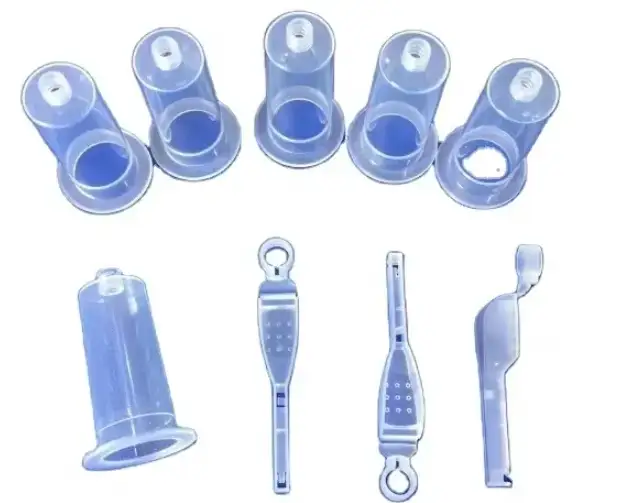
- Catheter hubs and ports
Drug Delivery Systems
- Auto-injector components
- Insulin pen housings
- Inhaler parts
- Wearable drug delivery devices
Implantable and Invasive Devices
- Implantable sensor housings
- Sealing components
- Fluid management interfaces
Disposable and Single-Use Devices
- IV components
- Sample collection devices
- Sterile packaging interfaces
These applications demand biocompatibility, cleanliness, and dimensional accuracy, making cleanroom overmolding indispensable.
Cleanroom Classifications in Medical Overmolding
Cleanrooms are classified according to ISO 14644, which defines allowable particle counts per cubic metre.
Common cleanroom classes used in medical overmolding include:
- ISO Class 7: Widely used for non-implantable medical devices
- ISO Class 8: Suitable for certain external or disposable medical components
- ISO Class 5–6: Required for highly sensitive or implantable applications
The appropriate cleanroom class depends on:
- Device classification (Class I, II, or III)
- Intended use
- Sterility requirements
- Regulatory expectations
Materials Used in Cleanroom Overmolding for Medical Devices
Material selection plays a crucial role in cleanroom overmolding success. Medical applications require materials that are not only moldable but also safe, stable, and compliant.
Common Substrate Materials
- Polycarbonate (PC)
- Polypropylene (PP)
- Polyethylene (PE)
- PEEK
- ABS (medical grade)
Overmolding Materials
- Medical-grade silicone
- Thermoplastic elastomers (TPE)
- TPU (Thermoplastic polyurethane)
- Liquid silicone rubber (LSR)
All materials used must meet medical-grade standards, including biocompatibility and traceability.

The Cleanroom Overmolding Process Explained
The cleanroom overmolding process typically follows these steps:
1. First Shot or Insert Preparation
The base component is injection molded or prepared in a controlled environment. In some cases, inserts are pre-cleaned and sterilised before entering the cleanroom.
2. Cleanroom Handling and Setup
Components are transferred into the cleanroom using validated procedures. Operators follow strict gowning protocols to minimise contamination.
3. Overmolding Injection
The second material is molded over or around the substrate with precise temperature, pressure, and alignment control.
4. Cooling and Demolding
Parts are cooled and removed carefully to avoid deformation or particle generation.
5. Inspection and Quality Control
In-process and final inspections ensure:
- Dimensional accuracy
- Bond strength
- Surface quality
- Cleanliness standards
6. Packaging (If Required)
Many cleanroom overmolded parts are packaged directly in the cleanroom to maintain cleanliness through delivery.
Quality Control in Cleanroom Medical Overmolding
Quality assurance is central to medical cleanroom overmolding. Manufacturers typically implement:
- Process validation (IQ, OQ, PQ)
- Statistical process control (SPC)
- Lot traceability and documentation
- Material and batch tracking
- Cleanroom environmental monitoring
These controls ensure consistent compliance and reduce the risk of recalls or regulatory issues.
Design Considerations for Cleanroom Overmolding
Designing for cleanroom overmolding requires early collaboration between product designers, engineers, and manufacturers.
Key design considerations include:
- Material compatibility and adhesion
- Draft angles and part geometry
- Wall thickness uniformity
- Tooling precision
- Minimising undercuts and complex slides
Designs optimised for overmolding not only improve manufacturability but also reduce costs and development time.
Benefits of Cleanroom Overmolding for Medical OEMs
Medical OEMs benefit from cleanroom overmolding in several ways:
- Reduced assembly steps
- Improved ergonomics and usability
- Enhanced sealing and protection
- Lower risk of contamination
- Faster time to market
- Improved product differentiation
By integrating multiple functions into a single overmolded component, manufacturers achieve higher performance with fewer parts.
Choosing the Right Cleanroom Overmolding Partner
Not all injection molders are equipped to handle cleanroom medical overmolding. When selecting a partner, consider:
- ISO 13485 certification
- Cleanroom classification and capacity
- Experience with medical materials
- In-house tooling and engineering support
- Regulatory documentation capability
- Proven track record in medical applications
A reliable partner should act as a technical collaborator, not just a contract manufacturer.
Future Trends in Medical Cleanroom Overmolding
As medical devices continue to miniaturise and integrate electronics, cleanroom overmolding is evolving to support:
- Micro-overmolding
- Overmolding with embedded sensors
- Combination of rigid, flexible, and soft-touch materials
- Sustainable and recyclable medical plastics
These trends further reinforce the importance of advanced cleanroom manufacturing capabilities.
Conclusion
Cleanroom overmolding for medical applications is more than a manufacturing process—it is a critical enabler of safe, compliant, and high-performance medical devices.
By combining controlled environments, medical-grade materials, and precision engineering, cleanroom overmolding helps medical manufacturers meet stringent regulatory standards while delivering reliable, patient-safe products.
For medical OEMs seeking quality, consistency, and long-term compliance, partnering with an experienced cleanroom overmolding provider is not just beneficial—it is essential.