ABS overmolding is a widely used manufacturing solution that combines the structural strength of ABS plastic with the functional advantages of softer or specialized materials.
Known for its excellent balance of mechanical properties, cost efficiency, and process stability, ABS is one of the most popular substrate materials in overmolding applications across automotive, electronics, medical, and consumer product industries.
This article provides a complete overview of ABS overmolding, focusing on material compatibility, bonding mechanisms, design considerations, and practical use cases. Whether you are developing a new product or optimizing an existing design, understanding how ABS behaves in overmolding is critical to achieving reliable performance and consistent quality.
What Is ABS Overmolding?
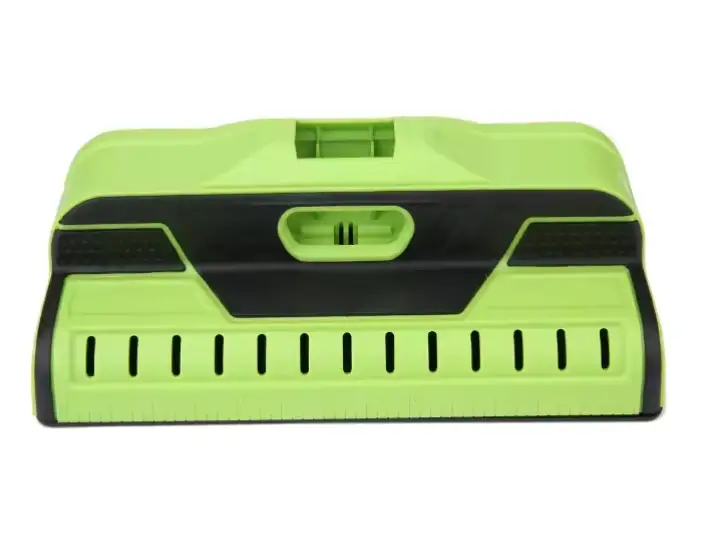
ABS overmolding is an injection molding process where ABS (Acrylonitrile Butadiene Styrene) serves as the rigid base material, and a second material—typically a thermoplastic elastomer (TPE), TPU, or rubber-like polymer—is molded over or around it.
The result is a single integrated component that combines:
- The strength and rigidity of ABS
- The flexibility, grip, sealing, or insulation properties of the overmold material
ABS overmolding eliminates secondary assembly, improves part durability, and enhances both functional and aesthetic performance.
Why ABS Is Popular for Overmolding
ABS is one of the most commonly used engineering plastics in injection molding, and it performs exceptionally well as an overmolding substrate.
Key Properties of ABS
- High impact resistance
- Good dimensional stability
- Excellent surface finish
- Easy to process and mold
- Cost-effective compared to many engineering plastics
These properties make ABS a stable and predictable base material for overmolding services, especially in medium- to high-volume production.
ABS Overmolding Compatibility Overview
Material compatibility is the most critical factor in successful ABS overmolding. Not all materials bond naturally to ABS, so careful selection and testing are required.
Materials That Bond Well with ABS
Certain thermoplastic elastomers are specifically formulated to bond chemically with ABS during the overmolding process.
Common compatible overmold materials include:
- TPE (styrenic-based TPEs, SBS, SEBS)
- TPU (with compatible grades)
- Some grades of soft PVC
These materials can form a strong chemical bond when processed under the right temperature and pressure conditions.
Materials with Limited or No Natural Bonding
Some materials do not chemically bond to ABS and require additional design or surface treatment methods.
Examples include:
- Silicone rubber
- Liquid silicone rubber (LSR)
- EPDM rubber
In these cases, mechanical interlocking or surface modification is required to ensure reliable adhesion.
Bonding Mechanisms in ABS Overmolding
Understanding how bonding occurs helps engineers select the right materials and design features.
Chemical Bonding
Chemical bonding occurs when the overmold material partially melts or diffuses into the surface of the ABS substrate during injection. This creates a molecular-level bond.
Key requirements for chemical bonding:
- Material compatibility
- Proper melt temperature
- Clean substrate surface
- Optimized injection parameters
Chemical bonding provides the strongest and most durable adhesion.
Mechanical Bonding
When chemical bonding is not possible, mechanical bonding is used.
Common mechanical bonding features include:
- Undercuts
- Through-holes
- Grooves and ribs
- Surface texturing
The overmold material flows into these features and physically locks onto the ABS substrate.
Combined Bonding Approach
Many ABS overmolding designs use both chemical and mechanical bonding to maximize reliability, especially in applications exposed to stress, vibration, or environmental factors.
ABS Overmolding Design Considerations
Proper design is essential to ensure strong bonding and manufacturability.
Surface Preparation
- Avoid mold release residues on ABS substrates
- Keep surfaces clean and dry
- Consider plasma or corona treatment for difficult bonding materials
Wall Thickness Control
Uniform wall thickness in both ABS and overmold layers prevents:
- Sink marks
- Warpage
- Uneven bonding
Draft Angles and Ejection
ABS parts require proper draft angles to allow smooth transfer into the overmolding stage without damage.
Gate and Flow Design
Gate location affects:
- Material flow
- Bond strength
- Cosmetic appearance
Careful mold design ensures consistent coverage and adhesion.

ABS Overmolding Process Methods
Different manufacturing setups are used depending on volume and complexity.
Two-Shot Injection Molding
In two-shot molding, ABS and the overmold material are injected sequentially in the same machine using a rotating or sliding mold.
Advantages:
- High precision
- Strong bonding
- Efficient for high-volume production
Transfer Overmolding
ABS substrates are molded separately and transferred into a second mold for overmolding.
Advantages:
- Flexible production
- Lower tooling cost
- Suitable for low- to medium-volume projects
Common ABS Overmolding Use Cases
ABS overmolding is widely used in products that require a combination of strength and comfort or protection.
Consumer Electronics
ABS overmolding improves:
- Grip and handling
- Shock absorption
- Moisture protection
Typical applications include:
- Handheld device housings
- Remote controls
- Wearable electronics enclosures
Automotive Components
In automotive applications, ABS overmolding enhances durability and user experience.
Common uses:
- Interior buttons and switches
- Sensor housings
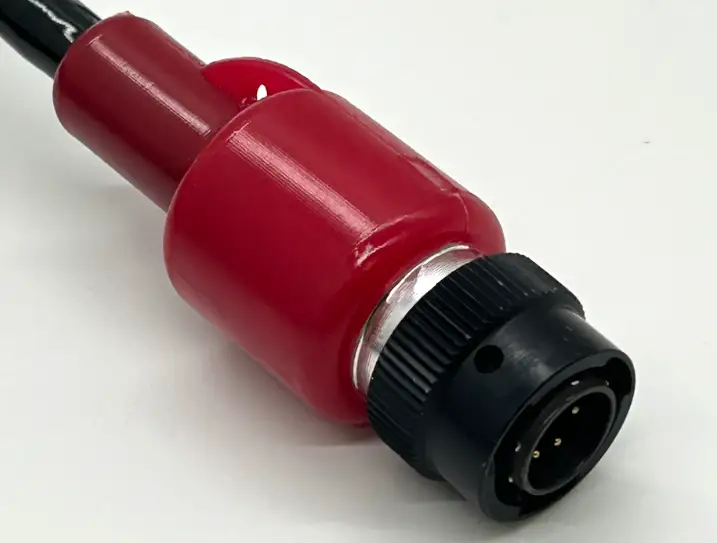
- Connector covers
Overmolded ABS parts help reduce noise, vibration, and wear.
Industrial Equipment and Tools
ABS overmolding is frequently used for:
- Tool handles
- Control knobs
- Protective covers
The rigid ABS core provides strength, while the overmold adds ergonomic grip and insulation.
Medical and Healthcare Devices
In non-implant medical devices, ABS overmolding is used for:
- Device housings
- Handles and grips
- Diagnostic equipment enclosures
Medical-grade materials and controlled manufacturing environments are required for compliance.
Consumer Products and Appliances
From kitchen appliances to personal care products, ABS overmolding improves both function and appearance.
Quality Control in ABS Overmolding
Consistent quality is essential for reliable overmolded parts.
Key Quality Checks
- Bond strength testing
- Peel and shear tests
- Dimensional inspection
- Visual inspection for flash and voids
Advanced manufacturers use SPC and automated inspection to maintain consistency.
Common Challenges in ABS Overmolding
Poor Adhesion
Often caused by:
- Incompatible materials
- Low melt temperature
- Contaminated substrate surfaces
Solution: Material testing and process optimization.
Warping and Shrinkage
ABS has predictable shrinkage, but improper cooling can cause distortion.
Solution: Optimized mold temperature control.
Cosmetic Defects
Surface flow lines or color mismatch can affect appearance.
Solution: Proper gate placement and material selection.
Cost Considerations for ABS Overmolding
ABS overmolding is generally cost-effective, but several factors influence pricing.
Cost Drivers
- Material grade selection
- Tooling complexity
- Production volume
- Cycle time
Cost Optimization Tips
- Design for compatibility
- Use standard material grades when possible
- Optimize mold design early
Sustainability and ABS Overmolding
Sustainability is becoming increasingly important in plastic manufacturing.
Sustainable Practices Include
- Using recyclable ABS grades
- Reducing part count through overmolding
- Minimizing waste with optimized processes
Overmolding can support eco-conscious product design by improving efficiency.
Choosing the Right ABS Overmolding Partner
A reliable overmolding manufacturer should offer:
- Proven ABS overmolding experience
- Material compatibility expertise
- Strong DFM support
- Quality certifications (ISO 9001, ISO 13485 if required)
Early collaboration leads to better performance and lower risk.
Conclusion
ABS overmolding continues to be a trusted solution for manufacturers seeking durability, flexibility, and cost efficiency. With the right material combinations, bonding strategy, and design approach, ABS overmolding delivers long-lasting performance across a wide range of industries.
By understanding compatibility, bonding mechanisms, and real-world use cases, product designers and engineers can fully leverage the benefits of ABS overmolding to create innovative, reliable, and competitive products.