Overmolding is an advanced manufacturing technique widely used in various industries, including electronics, automotive, medical, and consumer goods. It involves creating a multi-material product by molding one material over another.
This process offers distinct advantages such as enhanced durability, improved aesthetics, and better functionality, making it a preferred choice for many applications. In this article, we will take an in-depth look at the overmolding process, its different types, benefits, challenges, and its broad range of applications.
What is the Overmolding Process?
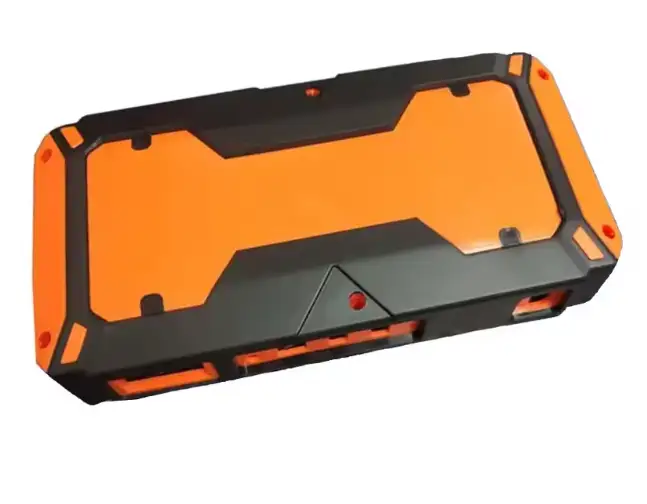
The overmolding process is a two-step injection molding technique that involves applying a layer of material over a pre-formed part, creating a composite product. The initial part, often referred to as the “substrate,” can be made of materials like plastic, metal, or rubber. The second material, known as the “overmold,” is then injected over the substrate using a separate injection molding process.
The overmolding technique can be applied using various materials such as thermoplastics, elastomers, silicones, and thermoplastic elastomers (TPE). The goal is to combine the best properties of both materials to create a product that offers superior performance, protection, and aesthetics. Overmolding is widely used for products that require durability, comfort, grip, or insulation.
The Steps Involved in the Overmolding Process
The overmolding process involves several stages, each of which plays a crucial role in ensuring that the final product meets the desired specifications. Here are the main steps involved in the process:
- Initial Component Production (Substrate)
The first step in the overmolding process is the production of the substrate, or the core part, which can be made from materials such as metal, plastic, or rubber. This part is typically created using standard injection molding, die-casting, or machining techniques. The substrate often has specific features like protrusions or undercuts, which help the overmold material bond securely.
- Overmolding Material Selection
Once the substrate is produced, the next step is to select the material for the overmolding process. The material choice depends on the desired functionality of the final product. Some common materials used in overmolding include:
- Thermoplastic Elastomers (TPE): These materials combine the characteristics of both rubber and plastic, providing flexibility, durability, and excellent grip.
- Silicone: Ideal for applications requiring high heat resistance, flexibility, and biocompatibility, silicone is often used in medical devices and food-grade products.
- Polyurethane: A strong and flexible material commonly used for applications in the automotive and medical industries.
- PVC: A versatile material often used in consumer goods and electronics due to its low cost and durability.
- Injection Molding
The overmolding material is then heated and injected over the substrate part using an injection molding machine. The overmold is precisely injected into the mold cavity, which surrounds the substrate. In this stage, the material adheres to the substrate due to the heat and pressure applied during injection molding. The overmolding process can be done in two ways:
- Two-Shot Molding: In this process, two different materials are injected in a sequential manner, usually with separate injection molding machines. It is commonly used when the overmold material needs to have different properties from the substrate.
- Single-Shot Molding: In this process, both the substrate and the overmold material are injected together in one step. It is more cost-effective but is typically used when both materials are compatible and have similar characteristics.
- Cooling and Ejection
After the injection, the mold is cooled, allowing the overmolded material to harden and bond with the substrate. The final product is then ejected from the mold. The result is a composite part that integrates two materials with different properties.
- Finishing
Once the product has been ejected from the mold, it may require additional post-processing steps. These can include trimming excess material, polishing, or adding specific features like logos or branding.

Types of Overmolding
There are several variations of the overmolding process, each suited to different applications and material requirements. The three primary types of overmolding are:
- Insert Overmolding
Insert overmolding involves placing a pre-made insert, such as a metal or plastic part, into the mold cavity. The overmolding material is then injected around the insert, encapsulating it within the overmold. This process is commonly used for creating strong, durable parts that require the benefits of both metal and plastic.
- Multi-Shot Overmolding
Multi-shot overmolding is used when more than two materials are needed to create the final product. This technique involves using multiple injection molding machines to inject different materials sequentially into the mold. Each shot of material bonds with the previous one, creating a final product that combines the properties of several materials. This process is ideal for complex components requiring different functional properties.
- Two-Shot Overmolding
As mentioned earlier, two-shot overmolding involves using two different injection molding machines to inject two different materials in a sequential manner. This is typically done when the two materials need to have different properties, such as rigidity and flexibility, or different colors for aesthetic purposes.
Benefits of the Overmolding Process
Overmolding offers several advantages that make it an attractive option for manufacturers across various industries. Some of the primary benefits of overmolding include:
- Enhanced Durability and Protection
The overmolded layer adds an extra level of protection to the substrate, making the final product more durable. For example, overmolding can protect electronic components from moisture, dust, and impact. This is especially beneficial for products used in harsh environments such as automotive parts, industrial equipment, and consumer electronics.
- Improved Aesthetics
Overmolding allows for greater flexibility in design and customization. Manufacturers can choose from a wide range of colors, textures, and finishes to improve the visual appeal of the final product. This is particularly important in consumer goods, where aesthetics play a significant role in attracting customers.
- Increased Comfort and Grip
Overmolding can enhance the ergonomics of a product by providing a soft-touch, non-slip surface. This is particularly useful in products like power tools, medical devices, and handheld electronics, where comfort and grip are essential for ease of use.
- Reduced Assembly Costs
By combining multiple materials into a single product, overmolding eliminates the need for additional assembly steps. This can significantly reduce labor costs and improve manufacturing efficiency. Overmolding also eliminates the need for multiple parts, which reduces the complexity and cost of the final product.
- Improved Functionality
Overmolding enables the creation of multi-functional parts. For example, it can provide both electrical insulation and mechanical protection in a single component. This makes the final product more efficient, reliable, and cost-effective.

Applications of Overmolding
The versatility of overmolding makes it suitable for a wide range of applications across various industries. Some of the most common applications include:
- Automotive Industry
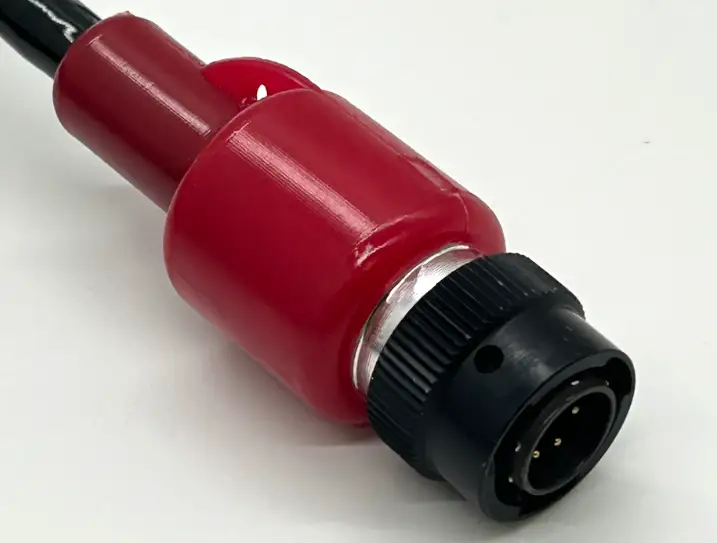
In the automotive industry, overmolding is used to produce durable and protective parts, such as connectors, gaskets, and sensors. These components are often exposed to extreme temperatures, moisture, and vibration, making overmolding an ideal solution for ensuring their longevity and performance.
- Electronics
Overmolding is widely used in the electronics industry to create protective casings for devices like smartphones, tablets, and wearables. It is also used for connectors, switches, and other components that need to be both functional and aesthetically appealing.
- Medical Devices
In the medical industry, overmolding is used to create ergonomic, safe, and reliable medical devices, such as catheters, surgical instruments, and diagnostic tools. Overmolding ensures that the devices are comfortable to use, easy to handle, and protected from contamination.
- Consumer Goods
Overmolding is commonly used in the production of consumer goods like kitchen appliances, power tools, and personal care products. It helps to improve the durability, safety, and user experience of these products, making them more attractive and functional.
- Industrial Applications
In industrial applications, overmolding is used for products like machine handles, power tools, and safety equipment. The overmolded parts provide additional protection and grip, ensuring the reliability and performance of the equipment.
Challenges in the Overmolding Process
While the overmolding process offers numerous benefits, it also comes with some challenges:
- Material Compatibility: The materials used for the substrate and overmold must be compatible to ensure proper bonding and functionality. Poor material selection can result in weak bonds or poor performance.
- Tooling and Mold Design: Designing the molds for overmolding can be complex and costly, especially when multiple materials are involved. Manufacturers must ensure that the mold is designed to handle the different materials and their specific properties.
- Cycle Time: The overmolding process can sometimes increase the overall cycle time, particularly when using multi-shot or two-shot molding. Manufacturers need to balance the time and cost required for the process with the benefits of overmolding.
Conclusion
The overmolding process is a powerful and versatile manufacturing technique that offers a wide range of benefits for industries such as automotive, electronics, medical devices, and consumer goods. By combining multiple materials into a single product, overmolding improves durability, aesthetics, functionality, and cost-efficiency.
While the process may present some challenges, the advantages it offers make it a valuable option for creating high-quality, reliable products. As technology continues to evolve, overmolding will undoubtedly remain an essential technique for manufacturers across various sectors.