Overmolding manufacturing is a highly versatile manufacturing process that combines two or more materials to create a single, integrated part with enhanced properties and functionality. This technique is widely used across industries such as automotive, medical devices, consumer electronics, and household goods, offering significant advantages in terms of durability, comfort, aesthetics, and performance.
Whether it’s creating soft-touch grips for tools or making medical devices more comfortable, overmolding has revolutionized the way manufacturers approach product design and development.
In this article, we will provide a comprehensive overview of the overmolding process, from initial design considerations to the final production stages, while exploring the various materials, techniques, and applications that make overmolding a critical component in modern manufacturing.
What is Overmolding?
Overmolding is a process where one material (typically a soft, flexible polymer like silicone, rubber, or thermoplastic elastomer) is molded over a pre-existing substrate (often a rigid material like plastic, metal, or another polymer) to create a single part.
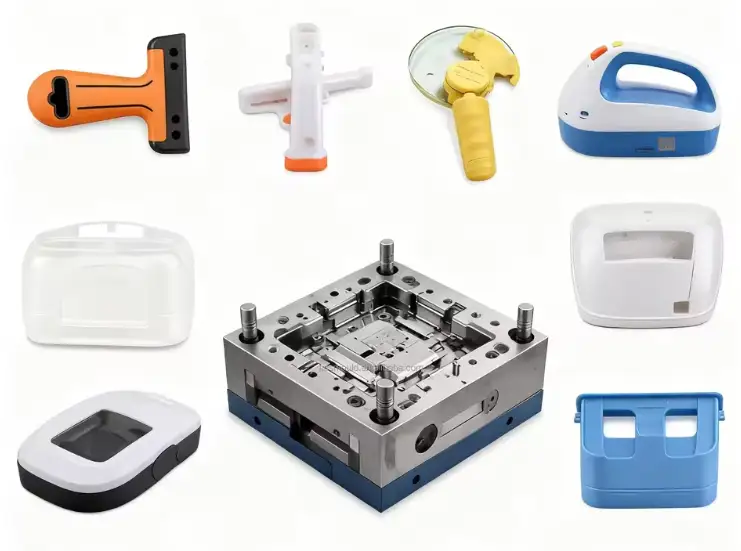
This creates a composite part that combines the durability of the substrate with the unique properties of the overmolded material. Overmolding can improve the ergonomics, appearance, and functionality of the product, depending on the application.
This manufacturing technique can be performed using several methods, including injection molding, compression molding, and transfer molding. The combination of materials is designed to meet specific requirements, such as comfort, strength, electrical insulation, or chemical resistance.
The Overmolding Process: A Step-by-Step Overview
The overmolding process typically follows several key stages, from the initial design phase to the final production. Below is an outline of the primary steps involved in overmolding manufacturing:
Design Phase
The first step in any overmolding project is the design phase. This is where the manufacturer determines the functional and aesthetic requirements of the final product. Key design considerations include:
- Material Selection: The choice of substrate material and overmolding material is critical. The substrate material must have the required strength and durability to meet the needs of the application, while the overmolding material must provide the desired properties, such as flexibility, grip, or biocompatibility.
- Mold Design: The mold must be designed to accommodate the core material and the overmold material. This includes ensuring proper gating, venting, and material flow paths for efficient molding.
- Part Geometry: The geometry of the part must be designed to facilitate the overmolding process, ensuring that the materials bond effectively and that the finished product has the desired characteristics, such as a smooth surface, no air pockets, or deformation.
Tooling and Mold Preparation
Once the design is finalized, the next step is tooling and mold preparation. Tooling refers to the creation of the molds required for the overmolding process. The mold design must match the part geometry and ensure proper material flow. Mold preparation involves:
- Material Compatibility Testing: Ensuring that the substrate material and overmolding material are compatible and will bond effectively during the molding process.
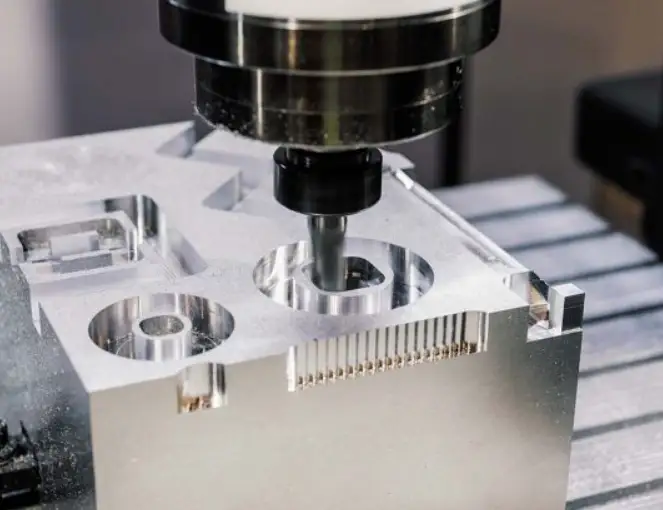
- Tool Manufacturing: Molds are typically created using CNC machining or other precision manufacturing methods. These molds are made from durable materials like steel or aluminum to withstand the pressures and temperatures of the molding process.
- Mold Testing: After the molds are made, they are usually tested with small batches of materials to ensure that they perform as expected and to make any necessary adjustments.
Injection Molding Process
Once the molds are prepared, the overmolding process can begin. The most common method of overmolding is injection molding, where the overmolding material is injected into a mold cavity over the pre-existing substrate. The basic steps include:
- Substrate Loading: The rigid substrate (such as a plastic or metal component) is loaded into the mold cavity. In many cases, the substrate is preheated to improve adhesion between the materials.
- Injection of Overmolding Material: Once the substrate is in place, the overmolding material (such as rubber or silicone) is injected into the mold. This material forms the outer layer, bonding to the substrate through heat, pressure, and sometimes chemical bonding agents.
- Cooling and Curing: After the material is injected into the mold, it is allowed to cool and solidify. For thermoset materials, such as silicone or rubber, this stage also involves curing, where the material undergoes a chemical reaction to harden and bond to the substrate.
- Ejection: Once the overmold has cooled and cured, the part is ejected from the mold, and the manufacturing process is complete.
Post-Processing and Finishing
After the overmolding process, the part often undergoes post-processing to ensure that it meets quality standards. Some common post-processing steps include:
- Trimming and Deflashing: Flash refers to excess material that may spill out of the mold cavity during the injection process. Flash is trimmed or removed to ensure that the final part has smooth, clean edges.
- Assembly: In some cases, overmolded parts require further assembly or integration with other components to complete the final product.
- Quality Control: Parts undergo rigorous quality control testing to ensure that they meet all specifications, including dimensional accuracy, material performance, and aesthetic quality.
Types of Overmolding Materials
One of the key factors in the overmolding process is the selection of materials. The materials chosen for both the substrate and overmolding layer need to be carefully considered to achieve the desired characteristics of the final product. Below are some common materials used in overmolding:
Thermoplastic Elastomers (TPE)
TPEs are one of the most common overmolding materials due to their flexibility, ease of processing, and ability to bond with a variety of substrates. TPEs are used in consumer electronics, automotive parts, and medical devices, offering soft-touch properties, resistance to wear, and durability.
Silicone
Silicone is a highly versatile material that is often used in medical devices, baby products, and household goods. Its biocompatibility, high temperature resistance, and flexibility make it an ideal choice for overmolding in sensitive applications such as implants, wearable devices, and kitchenware.
Rubber
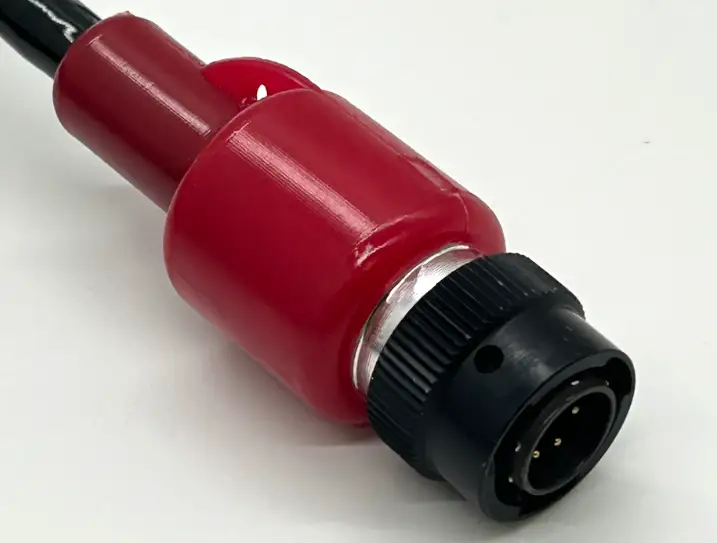
Rubber is another widely used material for overmolding, particularly in applications that require enhanced grip, impact resistance, and sealing properties. Rubber overmolding is commonly used in automotive seals, tools, and consumer products like handles.
Polyurethane (PU)
Polyurethane is used in overmolding when toughness, abrasion resistance, and elasticity are required. It’s commonly found in applications like medical equipment, sports gear, and industrial parts.
PVC
Polyvinyl chloride (PVC) is used in some overmolding applications, particularly where cost-effectiveness is a priority. It offers decent durability, but its flexibility is limited compared to other materials like silicone or TPE.

Benefits of Overmolding
The overmolding process provides a range of benefits for manufacturers and product designers, including:
- Improved Ergonomics: Overmolding can enhance the comfort of products by adding soft-touch surfaces or flexible layers, improving grip and usability.
- Durability: The integration of materials with different properties can enhance the durability of a part, making it more resistant to wear, impact, and environmental factors.
- Aesthetics: Overmolding allows for the creation of visually appealing products with a variety of color and texture options. It is commonly used in consumer electronics and other products where design plays a key role.
- Cost Efficiency: Overmolding can reduce production costs by eliminating the need for secondary assembly processes. It also streamlines the manufacturing workflow.
- Sealing and Protection: In applications where protection from moisture, dust, or chemicals is essential, overmolding can provide superior sealing capabilities.
Applications of Overmolding
Overmolding has diverse applications across a wide range of industries, including:
Automotive Industry
In automotive manufacturing, overmolding is used for components such as seals, gaskets, and control knobs. The process improves the durability and comfort of parts while enhancing their aesthetic appeal.
Medical Devices
Overmolding is critical in medical device manufacturing, where it is used for items such as catheters, surgical tools, and implants. The ability to create soft, flexible surfaces over rigid substrates is essential in ensuring comfort and performance in medical applications.
Consumer Electronics
Overmolding is commonly used in the production of smartphone cases, remote controls, and computer peripherals. The process allows for the integration of soft-touch surfaces and durable materials, improving user experience.
Industrial Tools
Overmolding is also used in the production of industrial tools and equipment, where grip, comfort, and durability are essential. Overmolded handles, for example, improve user comfort and extend the life of tools.
Challenges and Considerations in Overmolding Manufacturing
Despite its numerous advantages, overmolding does come with certain challenges that manufacturers need to address:
- Material Compatibility: Ensuring that the core material and overmolding material bond effectively can be challenging. Manufacturers must select materials that have similar processing temperatures and chemical compatibility.
- Tooling Costs: Custom molds and tooling can be expensive, particularly for low-volume production runs. Manufacturers must weigh the costs of tooling against the benefits of overmolding.
- Cycle Time: The overmolding process may involve longer cycle times compared to traditional injection molding,
which can impact production efficiency, especially for high-volume manufacturing. However, advances in molding technologies and automation are helping to reduce cycle times and improve overall productivity.
- Design Complexity: The design of overmolded parts can be more complex than traditional single-material parts. Ensuring that the different materials bond properly and that the final part meets all functional and aesthetic requirements requires careful design and testing.
- Quality Control: Maintaining consistent quality across production runs can be a challenge, particularly with multi-material parts. Manufacturers must implement rigorous quality control measures to detect issues such as material delamination, poor bonding, or dimensional inaccuracies.
Future Trends in Overmolding Manufacturing
The overmolding industry is evolving rapidly, driven by advances in materials science, automation, and manufacturing technologies. Here are some key trends to watch for in the future:
Integration of Smart Technologies
With the rise of smart devices and wearable technology, overmolding is increasingly being used to integrate sensors, conductive materials, and electronics into products. For example, overmolded wearable devices like fitness trackers or health monitors may feature integrated circuits or sensors within the overmolded material itself, enhancing functionality without compromising comfort or durability.
Sustainable Materials
As sustainability becomes more important across industries, manufacturers are seeking eco-friendly materials for overmolding. This includes biodegradable plastics, recycled materials, and non-toxic overmolding options like bio-based TPEs and silicones. The use of sustainable materials can help manufacturers reduce their environmental footprint and meet consumer demand for greener products.
Advanced Automation and Robotics
Automation in the overmolding process is advancing rapidly. Robotic systems and automated mold handling equipment are helping to improve efficiency and reduce human error. These advancements are particularly beneficial for high-volume production runs, where reducing cycle times and enhancing precision are critical.
3D Printing and Additive Manufacturing
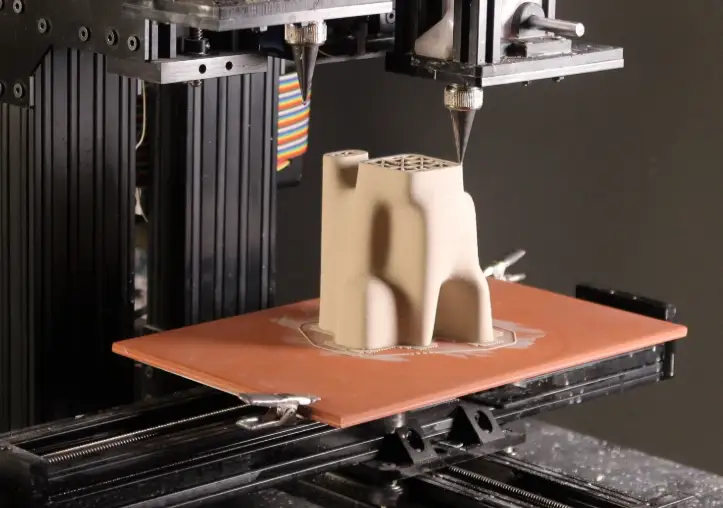
While traditional molding processes like injection molding are dominant in overmolding, additive manufacturing (3D printing) is beginning to play a role in the development of prototypes and small batches of overmolded parts. 3D printing can help streamline the design and prototyping stages, enabling faster iterations and customization before mass production begins.
Conclusion
Overmolding is a versatile and powerful manufacturing process that plays a critical role in industries ranging from automotive to medical devices to consumer electronics. By combining the benefits of different materials, manufacturers can create parts that offer superior functionality, durability, and aesthetics.
From design to production, the overmolding process requires careful consideration of materials, tooling, and design to ensure optimal performance and quality. As advancements in materials, automation, and sustainability continue to shape the industry, overmolding will remain a key technology in the development of innovative and high-performance products.
By understanding the intricacies of overmolding and leveraging its potential, manufacturers can deliver cutting-edge solutions that meet the needs of consumers and industries alike.
Whether you’re creating ergonomic tools, biocompatible medical devices, or durable consumer electronics, overmolding offers a unique and effective way to enhance product performance and drive innovation in the marketplace.