Thermoplastic elastomers (TPE) are a class of versatile materials widely used in overmolding applications. Combining the processing ease of thermoplastics with the flexible and rubber-like properties of elastomers, TPE has become a preferred choice for a variety of industries.
Whether it’s for consumer electronics, automotive parts, medical devices, or household goods, TPE overmolding offers numerous benefits, including enhanced durability, flexibility, and cost-effectiveness.
In this article, we will delve into the properties, uses, and cost considerations of TPE overmolding. We will explore why TPE is increasingly being used across industries and why it has become one of the go-to materials for overmolding applications.
What is TPE Overmolding?
TPE overmolding refers to the process of molding a thermoplastic elastomer over a substrate (often a rigid material like plastic or metal) to create a single, integrated part. This process combines the best of both worlds: the rigidity and durability of the substrate, and the flexibility, grip, and softness of the TPE layer.
The TPE material is typically molded over the core material using injection molding or compression molding, resulting in a final product that has both aesthetic and functional benefits.
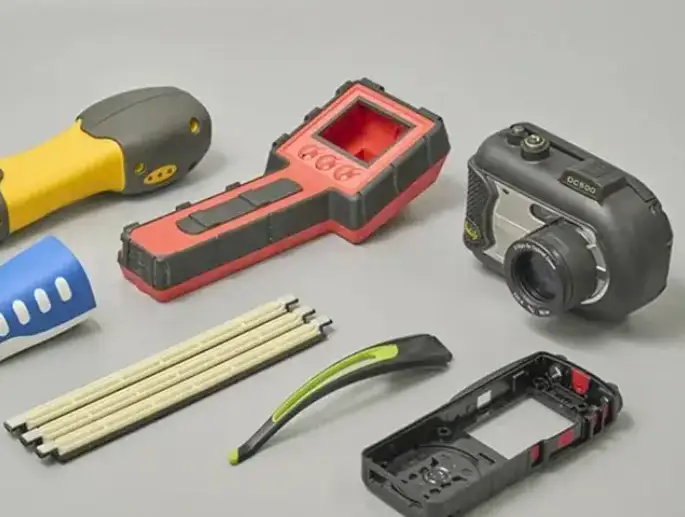
TPE overmolding is used to produce a wide range of products, including grips, seals, gaskets, and soft-touch surfaces for applications in consumer electronics, automotive, medical, and industrial fields. The ability to create multi-material components with varied physical properties makes TPE overmolding an ideal solution for numerous industries.
Key Properties of TPE
Understanding the properties of TPE is essential to grasp why it’s such a popular choice for overmolding. Here are the key characteristics of TPE that make it ideal for overmolding applications:
Flexibility and Softness
One of the most significant advantages of TPE is its flexibility. TPE maintains the rubber-like properties of elastomers, meaning it can stretch and bend without breaking. This flexibility makes it perfect for applications requiring soft-touch components or parts that need to be flexible yet durable.
For example, TPE is commonly used for overmolding handles, grips, and buttons where users require a comfortable, soft, and slip-resistant surface.
Excellent Durability
TPE is known for its high resistance to wear and tear. It can withstand abrasion, impact, and mechanical stress without deteriorating, which is crucial for parts exposed to frequent use or harsh environments. TPE is also resistant to UV light, ozone, and environmental factors, making it an excellent choice for outdoor or automotive applications.
Chemical and Heat Resistance
TPE offers good chemical resistance, making it suitable for applications where the material may come into contact with oils, solvents, or other chemicals. It also performs well in moderate temperature ranges, withstanding temperatures up to 120°C (248°F) in many applications. While it is not as heat-resistant as some thermosets like silicone, TPE still performs well in everyday applications.
Recyclability
As a thermoplastic material, TPE is recyclable, which is a significant advantage in today’s environmentally conscious world. Unlike thermoset materials, which cannot be reprocessed, TPE can be melted down and remolded, reducing waste and helping manufacturers meet sustainability goals.
Ease of Processing
TPE is easy to process using traditional plastic molding methods such as injection molding, extrusion, and compression molding. It does not require the complex curing or cross-linking processes that are typical of thermoset materials, which can reduce production time and costs. This ease of processing also allows for faster prototyping and design iterations, which is valuable for manufacturers.
Common Uses of TPE Overmolding
TPE overmolding is utilized in a broad range of industries, thanks to its unique combination of properties. Below are some of the key applications where TPE overmolding plays a significant role:
Consumer Electronics
In the consumer electronics industry, TPE overmolding is used extensively to improve the ergonomics, grip, and aesthetics of products. Some common applications include:
- Smartphone Cases: TPE is often used in combination with plastic or metal substrates to create soft-touch, durable smartphone cases that protect against drops while providing a comfortable, non-slip surface.
- Computer Peripherals: Keyboards, mice, and other accessories often feature TPE overmolded parts for enhanced grip and tactile feedback.
- Wearable Devices: TPE overmolding is also common in wearables like fitness trackers and smartwatches, where the material provides both comfort and durability.
Automotive Industry
The automotive sector benefits from TPE overmolding for its ability to provide a combination of flexibility, durability, and resistance to environmental factors like heat and UV radiation. Common uses in the automotive industry include:
- Seals and Gaskets: TPE is used to create seals and gaskets that provide a tight, durable barrier against moisture, air, and contaminants.
- Interior Components: TPE overmolded parts such as door handles, shift knobs, and buttons provide comfort and a premium feel while also enhancing wear resistance.
- Exterior Trim: TPE is used for exterior trim parts, such as bumpers and weather strips, where UV resistance and durability are essential.
Medical Devices
TPE’s biocompatibility and ease of sterilization make it an excellent material for medical applications. It is commonly used in:
- Handles for Surgical Tools: TPE is used to overmold handles on surgical tools, providing a soft, non-slip surface that improves grip and control during procedures.
- Medical Tubing: TPE is used for medical tubing and connectors, offering flexibility, chemical resistance, and durability.
- Implants and Devices: TPE’s biocompatibility allows it to be used in certain medical devices and implants, ensuring safety and comfort for the patient.
Industrial Applications
TPE overmolding is also used in various industrial applications, particularly for products that require wear resistance and enhanced performance. Common uses include:
- Industrial Tools: Handles, grips, and control buttons are often overmolded with TPE to provide comfort and prevent slippage during use.
- Electrical Connectors: TPE is used in overmolding electrical connectors and components to provide insulation, durability, and protection from moisture or dirt.
Cost Analysis of TPE Overmolding
When considering TPE for overmolding, manufacturers must take into account several cost factors. While TPE is generally more cost-effective than other materials like silicone, the overall cost depends on several variables:
Material Costs
The cost of TPE itself varies depending on the grade and formulation. High-performance TPEs that offer specialized properties such as increased heat resistance or chemical resistance can be more expensive. However, in most cases, TPE is more affordable than silicone or thermoset elastomers, making it a cost-effective solution for many overmolding applications.
Processing Costs
TPE’s ease of processing using injection molding and other conventional methods typically results in lower processing costs. Since TPE does not require curing or cross-linking like thermoset elastomers, it can be molded more quickly, reducing cycle times and associated costs. Additionally, the recyclability of TPE reduces material waste and contributes to lower overall manufacturing costs.
Tooling Costs
Tooling costs for TPE overmolding are typically moderate. The tools used for TPE overmolding are similar to those used for conventional plastic molding, which means that manufacturers do not need to invest in specialized or costly equipment. However, if the part requires intricate designs or custom molds, tooling costs may increase.
Labor Costs
Because TPE is easy to process and does not require additional curing or post-processing steps, labor costs for manufacturing TPE overmolded parts are often lower compared to other materials. The ability to automate much of the process, including injection molding, further reduces labor costs.
Long-Term Savings
Due to its durability, TPE overmolded parts typically have a long service life, reducing the need for frequent replacements. Additionally, the recyclability of TPE can contribute to long-term savings, as manufacturers can reuse material scraps.
Advantages of TPE Overmolding
- Flexibility and Comfort: TPE offers excellent flexibility, providing soft-touch, ergonomic surfaces that enhance user comfort.
- Durability: TPE is resistant to wear, UV exposure, and environmental conditions, making it suitable for long-lasting products.
- Cost-Effectiveness: TPE is generally more affordable than silicone and other elastomers, while offering comparable properties for many applications.
- Ease of Processing: TPE can be processed with conventional plastic molding equipment, reducing tooling costs and simplifying production.
- Recyclability: TPE is a recyclable material, making it a more sustainable option compared to thermoset materials.
Conclusion
TPE overmolding offers a wide range of advantages, including flexibility, durability, and cost-effectiveness. Its versatility makes it ideal for applications in consumer electronics, automotive, medical devices, and industrial tools.
With its ease of processing, recyclability, and superior material properties, TPE is an excellent choice for manufacturers looking to create high-performance, multi-material products.
By understanding the properties, applications, and cost factors associated with TPE overmolding, manufacturers can make informed decisions about whether TPE is the right material for their specific needs. As industries continue to demand more durable, cost-effective, and environmentally friendly solutions, TPE overmolding is likely to remain a key material in modern manufacturing processes.