Overmolding, a manufacturing process where one material is molded over another, has gained significant traction in the medical device industry. By combining materials with complementary properties, overmolding allows manufacturers to create innovative, high-performance components that offer enhanced functionality, durability, and patient comfort.
With the increasing demand for more sophisticated medical devices, overmolding has become an essential technique for meeting these needs.
In this article, we will explore the various overmolding applications in medical devices, the benefits it provides, the materials commonly used, and the design considerations necessary for producing high-quality, functional components. Whether you’re designing surgical tools, medical implants, or diagnostic equipment, overmolding plays a critical role in ensuring that medical devices meet the stringent demands of healthcare applications.
What is Overmolding?
Overmolding is a two-shot molding process in which one material (the core) is molded, and a second material (the overmold) is applied over it to create a single integrated part. In the medical device industry, this process is used to combine materials with different properties, such as a rigid, durable core with a soft, flexible overmold.
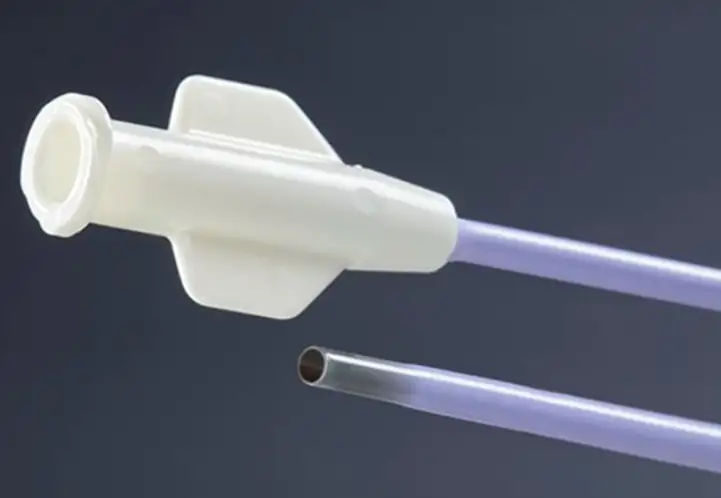
For example, overmolding can create a medical device handle that is made from a rigid plastic core with a soft, rubberized grip for improved ergonomics and patient comfort. Overmolding offers a variety of benefits, including the ability to integrate multiple functions into one component, reduce assembly time, improve part durability, and enhance patient safety and comfort.
Benefits of Overmolding in Medical Devices
Overmolding offers numerous advantages when applied to medical devices, making it an essential technique in the development of high-performance healthcare products. Here are some key benefits:
Improved Ergonomics and Comfort
Medical devices often require components that are held or manipulated by healthcare professionals or patients. Overmolding allows manufacturers to integrate soft-touch materials, such as thermoplastic elastomers (TPE) or silicone, onto rigid parts. This results in ergonomic handles, grips, and other components that improve user comfort, prevent slippage, and reduce fatigue during long periods of use.
For example, surgical instruments or diagnostic devices such as thermometers and blood glucose meters often feature overmolded handles that provide a comfortable, non-slip grip, improving precision and control.
Enhanced Durability and Longevity
Medical devices must withstand repeated use and exposure to harsh cleaning agents, high temperatures, and even sterilization processes. Overmolding can increase the overall durability of components by combining the strength and resistance of rigid materials with the flexibility and shock-absorbing qualities of softer materials.
For example, medical devices that experience frequent drops or exposure to high-stress conditions, such as surgical tools or portable diagnostic equipment, benefit from the impact resistance and cushioning properties that overmolding provides.
Streamlined Manufacturing and Reduced Assembly
Overmolding allows multiple functions to be integrated into a single part, reducing the need for secondary assembly processes. This not only simplifies manufacturing but also improves product reliability by reducing the number of potential failure points associated with multi-part assemblies.
By combining materials in one mold, overmolding eliminates the need for gluing, bonding, or mechanically joining multiple parts, leading to lower labor costs, fewer steps in the production process, and a higher degree of precision in the final product.
Increased Biocompatibility and Safety
Certain medical devices, such as implants or devices that come into contact with the skin, require materials that are biocompatible and non-toxic. Overmolding allows for the selection of specific materials for different parts of the device to meet safety standards. For instance, the core material could be a durable biocompatible plastic, while the overmolded layer could be made of medical-grade silicone, which is both flexible and hypoallergenic.
This versatility in material selection ensures that medical devices not only meet performance requirements but also adhere to stringent safety and regulatory standards, such as those set by the FDA (Food and Drug Administration) and ISO (International Organization for Standardization).
Design Flexibility
Overmolding offers a high level of design flexibility, allowing engineers to create complex geometries and integrate multiple functions into a single part. The ability to combine materials with different mechanical properties in one part opens up new possibilities for medical device design, enabling the creation of custom, patient-specific solutions.
For example, overmolding can be used to create custom grips or handles for medical instruments, offering ergonomic solutions for specific user needs or to accommodate varying hand sizes.
Common Overmolding Applications in Medical Devices
Overmolding is used in a wide variety of medical device applications. Below are some of the most common uses of overmolding in the healthcare sector:
Surgical Instruments
Surgical tools require both precision and durability. Overmolding allows for the creation of comfortable, non-slip handles on tools such as forceps, scissors, and scalpels. These tools often feature a rigid metal core for strength, with a soft-touch overmold that provides a secure and comfortable grip, even during long surgeries.
The overmolded material can also provide resistance to blood, fluids, and harsh sterilization processes, improving the tool’s longevity and cleanliness.
Diagnostic Devices
Diagnostic equipment such as blood pressure cuffs, thermometers, and glucose meters often benefit from overmolding. For example, the handles or buttons of these devices can be overmolded with soft elastomers for better grip and ease of use.
In blood glucose meters, the overmolded part may include a soft, ergonomic grip that allows patients to easily handle the device during testing. The overmolded materials also provide added protection against wear and tear, helping to prolong the device’s life.
Medical Implants
Overmolding can also be used in the production of certain medical implants, such as those used in orthopedic surgery. For example, a joint replacement implant may have a rigid metal core for structural integrity, overmolded with a biocompatible material like silicone or polyurethane for cushioning and shock absorption.
This combination of materials ensures that the implant performs effectively while also providing comfort and minimizing irritation to surrounding tissues.
Catheters and Tubing
Medical catheters and tubing often feature overmolded parts for added flexibility and comfort. Overmolding can create soft tips, handles, or sections of the tubing that make insertion more comfortable for patients while maintaining the strength and rigidity required for medical procedures.
For example, urinary catheters may have an overmolded soft tip that ensures patient comfort during insertion, while the core material provides the necessary durability and resistance to kinking.
Patient Monitoring Devices
Patient monitoring equipment, such as ECG machines, pulse oximeters, and heart rate monitors, often incorporate overmolded parts for improved ergonomics and durability. These devices are frequently handled by healthcare providers, and their components need to be comfortable and reliable.
For example, patient monitoring probes may have overmolded grips that provide healthcare workers with a non-slip, comfortable surface to hold during use.
Materials Used in Medical Overmolding
Choosing the right materials for overmolding medical devices is critical to ensuring the performance, safety, and regulatory compliance of the final product. The most commonly used materials in medical device overmolding include:
Thermoplastic Elastomers (TPE)
TPEs are widely used in overmolding applications for their combination of rubber-like flexibility and thermoplastic processing ease. TPEs are biocompatible, non-toxic, and can be sterilized, making them ideal for use in medical devices. They are often used for creating soft, flexible parts like grips, seals, and gaskets.
Silicone
Silicone is one of the most commonly used materials in medical overmolding due to its excellent biocompatibility, flexibility, and high-temperature resistance. Silicone is used in medical devices that require soft-touch properties, such as implants, catheters, and handles for surgical tools.
Polyurethane (PU)
Polyurethane is another elastomeric material commonly used in medical overmolding. PU offers excellent wear resistance, flexibility, and shock absorption, making it suitable for applications such as medical tubing, prosthetics, and medical handles.
Polycarbonate (PC)
Polycarbonate is a strong, impact-resistant plastic often used in overmolded components that require strength and durability. It is frequently used as the core material in overmolded medical devices like diagnostic tools, blood pressure cuffs, and IV connectors.
Challenges in Medical Overmolding
While overmolding offers significant benefits for medical devices, there are several challenges that engineers must consider during the design and manufacturing process:
Material Bonding
Achieving strong adhesion between the core material and the overmolded layer is crucial. Engineers must ensure that the materials are compatible and that proper surface treatment or priming is applied to ensure a secure bond.
Sterilization
Medical devices often undergo sterilization processes, such as autoclaving or gamma radiation, which can affect the properties of the overmolded materials. Selecting materials that can withstand these processes without degrading is essential for ensuring the longevity and safety of medical devices.
Regulatory Compliance
Medical devices must meet strict regulatory standards, including FDA and ISO certifications. Overmolding materials must be thoroughly tested for biocompatibility, toxicity, and safety to ensure compliance with these regulations.
Conclusion
Overmolding is a powerful and versatile technique for producing high-performance medical devices that meet the demands of both healthcare professionals and patients. By combining materials with different properties, overmolding offers enhanced functionality, comfort, and durability in critical medical applications.
Whether you’re designing surgical instruments, diagnostic tools, implants, or patient monitoring devices, overmolding allows for innovative, multi-material solutions that improve performance and patient outcomes.
By carefully selecting materials, optimizing part design, and addressing manufacturing challenges, engineers can leverage overmolding to create cutting-edge medical devices that meet the highest standards of quality and safety.