Introduction to Molding Processes
When it comes to plastic manufacturing, molding is one of the most crucial techniques for creating durable, precise, and versatile products.
Among the various molding methods, overmolding and insert molding are two popular techniques that often get confused due to their similarities. Both processes involve adding a second material to an existing part, but they serve different purposes, have distinct benefits, and are suitable for different types of applications.
In this article, we will explore the key differences between overmolding and insert molding, their respective advantages, typical applications, and important design considerations. Whether you’re a product designer, manufacturer, or engineer, understanding these processes can help you choose the right technique for your project.
What is Overmolding?
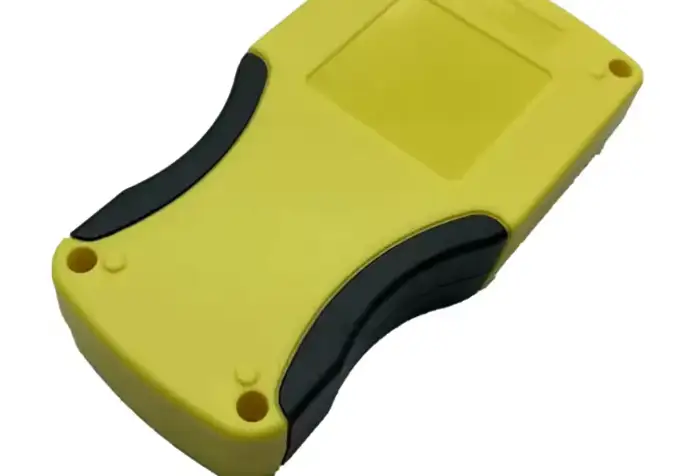
Overmolding is a manufacturing process that involves placing a material (usually rubber, thermoplastic elastomers, or silicone) over an existing substrate, which could be metal, plastic, or another material. The result is a multi-material product that combines the structural strength of the substrate with the flexibility and comfort of the overmolded material.
Key Steps in the Overmolding Process
- Substrate Preparation: The base material, which could be a hard plastic or metal component, is first prepared.
- Mold Setup: A mold is created around the substrate, with an injection system ready to inject the second material.
- Injection of Overmold: The second material (e.g., rubber or soft plastic) is injected into the mold and bonds with the substrate.
- Cooling and Ejection: The molded part is cooled and then ejected from the mold, resulting in a finished product with both materials fused together.
Benefits of Overmolding
- Enhanced Durability: Overmolding increases the lifespan of a product by adding a layer of protection to the substrate.
- Ergonomics: The soft, flexible material enhances the comfort and usability of products like handles, grips, and medical devices.
- Improved Aesthetics: Overmolding can create aesthetically appealing, multi-colored products with a smooth finish.
- Cost Efficiency: Overmolding often eliminates the need for secondary assembly processes, reducing labor and overall costs.
Common Applications of Overmolding
- Consumer Electronics: Overmolding is used in products like phone cases, remote controls, and power tools, where the outer material provides grip and protection.
- Medical Devices: Medical tools and devices often require overmolding to improve grip, comfort, and compliance with medical regulations.
- Automotive: Overmolding is used in car interior components like door handles, gear knobs, and air conditioning controls to improve user comfort and safety.
What is Insert Molding?
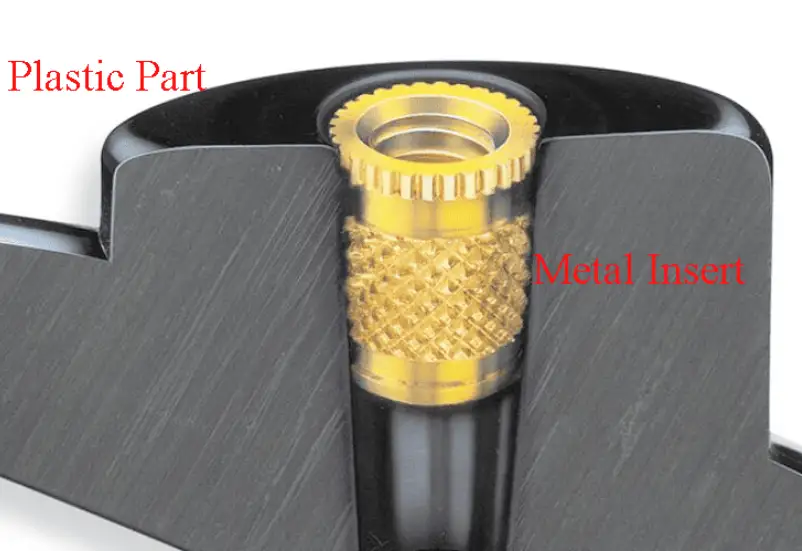
Insert molding, on the other hand, is a process where pre-formed components (called inserts) are placed into a mold cavity before the injection of plastic or another material. The molten plastic flows around the insert, bonding with it to create a solid, functional part. The insert could be made of metal, plastic, ceramic, or other materials depending on the application.
Key Steps in the Insert Molding Process
- Insert Preparation: The insert (usually a metal or plastic part) is pre-formed and cleaned to ensure proper bonding.
- Mold Setup: The insert is placed into a mold cavity designed to accommodate it.
- Injection of Material: The molten plastic or material is injected around the insert, forming a solid bond.
- Cooling and Ejection: After cooling, the part is ejected from the mold, leaving the insert securely encased in the molded plastic.
Benefits of Insert Molding
- Strong Bonding: Insert molding provides a secure bond between the insert and the molded plastic, making it ideal for parts that need to withstand stress or harsh environments.
- Reduced Assembly Time: Like overmolding, insert molding eliminates the need for secondary assembly processes, improving efficiency and reducing costs.
- Improved Part Functionality: Insert molding is often used for parts that require additional mechanical properties, such as threaded inserts or reinforcement with metal.
- Design Flexibility: Insert molding allows for the integration of various types of materials into a single product, offering flexibility in part design.
Common Applications of Insert Molding
- Automotive: Insert molding is frequently used in automotive parts such as connectors, gear systems, and fasteners that require the strength of metal combined with the lightweight properties of plastic.
- Electronics: Insert molding is used for connectors and switches where metal inserts need to be securely integrated into plastic housings.
- Industrial: Manufacturing of tools, jigs, and fixtures often uses insert molding for added strength and durability.
Overmolding vs Insert Molding: Key Differences
While both overmolding and insert molding involve adding a second material to a base component, they differ significantly in terms of materials used, the purpose of the secondary material, and their applications. Let’s break down these differences:
1. Materials Used
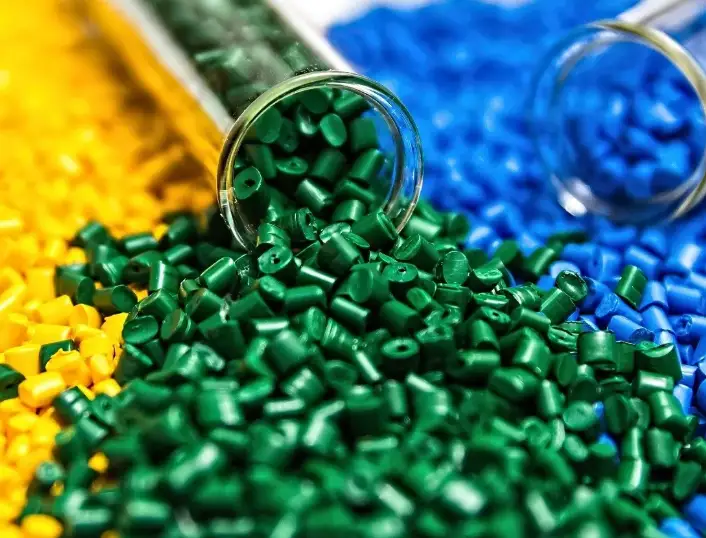
- Overmolding: Typically uses softer materials such as rubber, TPE (Thermoplastic Elastomer), silicone, or softer plastics. These materials are often chosen for their comfort, flexibility, and aesthetic appeal.
- Insert Molding: Uses inserts made from metal, ceramic, or hard plastic. The molded material is typically a thermoplastic like ABS, polycarbonate, or nylon that bonds securely with the insert.
2. Process Focus
- Overmolding: The focus is on adding a layer of protective, flexible material to enhance the product’s ergonomics, aesthetics, or durability.
- Insert Molding: The goal is to integrate functional inserts into the molded part for additional strength, functionality, or specialized properties (e.g., electrical conductivity).
3. Application Requirements
- Overmolding: Ideal for applications where a soft touch, comfort, or grip is needed, such as medical devices, consumer electronics, or automotive parts.
- Insert Molding: Best for situations where parts need added mechanical strength, conductivity, or functionality, like connectors, fasteners, or automotive components.
4. Cost Considerations
- Overmolding: While overmolding can be cost-effective for mass production, the choice of materials and complexity of the mold can influence cost.
- Insert Molding: Typically requires more expensive tooling due to the complexity of incorporating inserts, especially if metal or other specialized materials are used.
5. Bonding Strength
- Overmolding: The bond between the substrate and the overmolded material is often achieved through chemical or mechanical bonding, depending on the materials used.
- Insert Molding: The bond between the insert and the plastic is typically stronger, as the plastic is injected around the insert, ensuring a tight and durable bond.
Choosing the Right Process for Your Application
Selecting between overmolding and insert molding depends on your specific product requirements. Here are some factors to consider:
- Product Functionality: If your product needs to incorporate functional components like metal inserts or connectors, insert molding is likely the better option. If your goal is to add comfort or a rubberized grip, overmolding will be more appropriate.
- Material Requirements: Consider the material properties needed for your product. Overmolding is great for flexible, soft coatings, while insert molding is better suited for integrating metals or other rigid materials.
- Cost and Complexity: Overmolding generally involves simpler tooling, but insert molding may provide a more durable product with additional functionality. Choose based on your budget and the complexity of the part design.

Conclusion
In summary, both overmolding and insert molding are excellent techniques for creating complex, multi-material products, but they cater to different needs and applications. Overmolding excels in adding comfort, flexibility, and aesthetic value, while insert molding focuses on integrating functional, durable inserts for strength and performance.
By understanding the distinctions between these two molding processes, manufacturers and product designers can make more informed decisions when it comes to material selection, design optimization, and production efficiency.
If you are still unsure which molding process is best for your project, consult with a professional manufacturer who can provide insights tailored to your specific needs. Whether you need the ergonomics of overmolding or the durability of insert molding, there’s a solution to fit your requirements.