Silicone overmolding is a specialized manufacturing process where silicone rubber is molded over a rigid core material (such as plastic, metal, or another polymer) to create a single, integrated part. This process is particularly significant in both the medical and consumer product industries, where the need for high-performance, durable, and biocompatible materials is paramount.
Overmolding provides numerous advantages, such as enhanced comfort, improved grip, sealing properties, and more, making it an essential technology for these sectors.
This article explores the uses, advantages, and considerations of silicone overmolding in the medical and consumer applications.
1. Understanding Silicone Overmolding
Silicone overmolding involves two primary components: the substrate material and the silicone rubber that is molded over it. The substrate serves as the base, which can be made from a variety of materials, depending on the application.
The silicone is injected, compressed, or applied using other molding techniques to form a smooth, flexible, and durable outer layer that adheres firmly to the substrate.
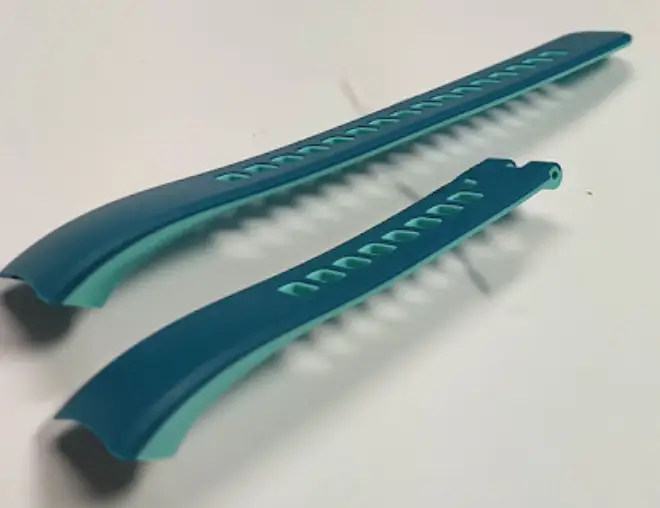
The silicone overmolding process provides significant benefits over traditional injection molding, especially in applications that require flexibility, toughness, and high levels of hygiene. The ability to integrate two distinct materials into one part allows manufacturers to design components that meet specific functional and performance requirements.
2. Key Features of Silicone
Silicone is a versatile material known for its unique properties, which make it ideal for a wide range of applications, particularly in the medical and consumer product industries. Some of the key features of silicone include:
- Biocompatibility: Silicone is non-toxic, hypoallergenic, and biocompatible, which makes it ideal for medical applications, particularly those involving direct contact with the human body, such as implants, surgical instruments, and medical devices.
- High Temperature Resistance: Silicone can withstand extreme temperatures ranging from -60°C to 230°C (-76°F to 446°F), making it suitable for both high-temperature applications and those that require durability in harsh environments.
- Chemical Resistance: Silicone resists a wide range of chemicals, including acids, bases, and solvents, which is crucial for both medical and industrial applications.
- Durability and Flexibility: Silicone has outstanding tensile strength, flexibility, and tear resistance. This makes it suitable for products that need to be both durable and comfortable.
- Electrical Insulation: Silicone’s non-conductive properties make it ideal for applications in electronics and electrical products.
3. Medical Applications of Silicone Overmolding
Silicone overmolding has become a staple in the medical device manufacturing industry. The biocompatibility, flexibility, and durability of silicone make it an ideal choice for applications that require direct contact with the human body or exposure to medical environments.
3.1 Medical Devices
Silicone overmolding is widely used in the production of medical devices, such as catheters, surgical tools, and diagnostic equipment. The process enables manufacturers to create parts that are both ergonomic and functional, offering benefits such as enhanced grip, comfort, and sealing properties.
For example, catheters often require both a rigid inner core for structural integrity and a soft, flexible outer layer to ensure patient comfort and reduce the risk of injury. Silicone overmolding provides the ideal solution, as it allows for the creation of soft-touch components without compromising the strength of the underlying materials.
3.2 Medical Implants
In the field of medical implants, silicone overmolding is used to create components such as breast implants, joint implants, and other prosthetic devices. Silicone’s biocompatibility ensures that these implants are safe for long-term use in the human body, while its flexibility ensures that the implants can mimic the natural movement of body parts.
Breast implants, for example, often consist of a silicone outer shell filled with a gel or saline solution. Silicone overmolding not only enhances the durability of the implant but also improves its comfort and natural feel.
3.3 Healthcare Wearables
With the rise of wearable medical technology, silicone overmolding has found applications in devices such as glucose monitors, heart rate monitors, and wearable sensors. These devices are worn on the skin, so they need to be comfortable, flexible, and able to withstand daily wear and tear.
Silicone overmolding provides the perfect solution for these applications, as it allows manufacturers to create devices that are not only functional but also comfortable to wear for long periods.
4. Consumer Applications of Silicone Overmolding
While silicone overmolding is crucial in medical applications, it has also gained significant traction in the consumer product sector. From kitchen utensils to mobile phone cases, silicone’s unique properties make it a valuable material for creating products that are durable, flexible, and aesthetically pleasing.
4.1 Consumer Electronics
Silicone overmolding is commonly used in the production of consumer electronics, such as smartphone cases, tablet covers, and laptop accessories. The soft silicone layer provides a comfortable grip, protection against impacts, and improved ergonomics. Silicone’s electrical insulation properties also make it a great choice for electrical connectors and switches, ensuring safe operation in electronic devices.
For example, many smartphone cases feature a combination of hard plastic and silicone overmolding, where the rigid inner shell protects the phone from drops, while the outer silicone layer offers a comfortable, slip-resistant surface.
4.2 Kitchenware and Home Appliances
Silicone overmolding is commonly found in kitchen utensils and home appliances, including spatulas, baking mats, and kitchen tools. Silicone’s high heat resistance and non-stick properties make it ideal for use in cooking applications, where exposure to heat and food substances is common.
In baking, silicone overmolding is used in the production of cake molds, muffin trays, and other baking tools. The flexibility of silicone ensures that baked goods can be easily released from the molds without sticking, while also providing durability for repeated use.
4.3 Sports and Fitness Equipment
Sports and fitness equipment, such as dumbbells, yoga mats, and fitness trackers, often use silicone overmolding to improve comfort, durability, and grip. The flexibility and non-slip nature of silicone are ideal for creating products that require high-performance, long-lasting materials.
For example, many fitness trackers and smartwatches feature silicone overmolded bands, which provide a comfortable fit, resistance to wear, and the ability to withstand moisture from sweat.
4.4 Automotive Components
In the automotive industry, silicone overmolding is used for parts such as automotive seals, gaskets, and grips. Silicone’s resistance to heat, chemicals, and wear makes it ideal for parts that must withstand the extreme conditions found in vehicles.
For example, silicone overmolding is used in the production of automotive control knobs and switches, providing a soft-touch surface that improves user experience while maintaining high durability and resistance to harsh conditions.
5. Advantages of Silicone Overmolding
The advantages of silicone overmolding are numerous, particularly in industries where performance, safety, and reliability are critical. Some of the key benefits include:
- Enhanced Durability: Silicone’s resistance to wear, tear, and environmental factors makes it ideal for long-lasting products.
- Improved Comfort: Silicone’s flexibility and softness make it a preferred choice for applications where comfort is a priority, such as medical devices and consumer electronics.
- Design Flexibility: Overmolding allows for the integration of different materials into one part, which opens up new design possibilities for manufacturers.
- Biocompatibility: Silicone’s non-toxic and hypoallergenic properties make it a safe choice for medical and personal care applications.
- Cost Efficiency: Silicone overmolding can reduce production costs by simplifying assembly and eliminating the need for additional steps, such as bonding or adhesive application.
6. Considerations and Challenges in Silicone Overmolding
While silicone overmolding offers numerous advantages, there are also some challenges that manufacturers must consider:
- Material Compatibility: Not all materials are compatible with silicone, so careful selection of the core material is essential to ensure proper adhesion and performance.
- Tooling and Equipment: Silicone overmolding requires specialized tooling and equipment, which can increase the initial investment costs.
- Precision and Quality Control: Ensuring consistent quality across large production runs requires strict quality control measures, as the molding process can be sensitive to variations in material properties, temperature, and pressure.
7. Future Trends in Silicone Overmolding
As industries continue to demand more innovative and high-performance products, the use of silicone overmolding is expected to grow. Advancements in molding technology, such as 3D printing and automated processes, will continue to improve the efficiency and precision of overmolding.
Additionally, as consumer demand for wearable medical devices and connected products rises, silicone overmolding will play an increasingly important role in shaping the future of these industries.
Conclusion
Silicone overmolding is a highly versatile and beneficial manufacturing process that serves critical applications in both the medical and consumer product sectors. Its ability to combine the strength and rigidity of a core material with the flexibility and durability of silicone makes it an ideal solution for a wide range of products.
As technology and manufacturing techniques evolve, the applications for silicone overmolding will continue to expand, providing industries with more opportunities to create innovative, high-performance products that meet the demands of consumers and medical professionals alike.