Overmolding is a manufacturing process widely used in the production of electronic components and devices, particularly in industries where precision, durability, and functionality are paramount. The concept of overmolding involves the creation of a multi-layered product by molding one material over another.
This technique is especially beneficial in the electronics industry, where it plays a critical role in enhancing the performance, protection, and longevity of electronic devices. In this article, we will delve into the intricacies of electronics overmolding, its advantages, applications, and why it has become a preferred choice for manufacturers and designers in the electronic sector.
What is Electronics Overmolding?
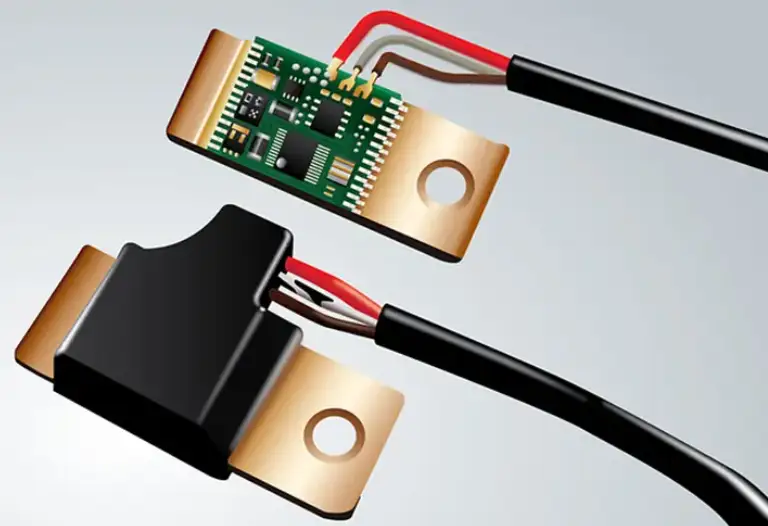
Electronics overmolding refers to the process of applying an additional layer of material over an existing electronic component. This process typically involves two main steps: molding the primary part (often made of metal or plastic) and then overmolding it with another material, usually thermoplastic or elastomer.
The materials used for overmolding serve multiple purposes such as providing insulation, enhancing grip, protecting delicate internal parts, or improving the overall aesthetic appeal of the component.
Overmolding in electronics generally involves the integration of materials that are compatible with the properties required for specific applications. The primary benefits of overmolding in electronics include increased durability, improved safety, and superior aesthetics.
How Does Electronics Overmolding Work?
The overmolding process consists of several stages, which can be summarized as follows:
- Primary Component Production: The initial part (typically a metal or plastic component) is created using conventional manufacturing processes such as injection molding, die-casting, or machining. This part forms the core of the final product.
- Overmolding Material Selection: Once the primary part is ready, the appropriate overmolding material is selected based on the desired properties for the final product. Common overmolding materials for electronics include thermoplastics, elastomers, and rubber.
- Injection Molding: The overmolding material is heated and injected into the mold cavity, surrounding the primary component. The material bonds with the core component and forms a protective or functional outer layer.
- Cooling and Ejection: The mold is then cooled, and the overmolded component is ejected. The result is a multi-material, fully integrated part that combines the advantages of both materials.
Benefits of Electronics Overmolding
Electronics overmolding offers several benefits, making it an attractive solution for manufacturers in various electronic sectors. Below are some key advantages of the overmolding process:
1. Enhanced Durability and Protection
One of the primary reasons why electronics manufacturers choose overmolding is its ability to provide superior protection. The overmolded material creates a robust barrier that shields sensitive electronic components from external damage, including impacts, abrasion, and moisture. This is particularly crucial in devices like smartphones, wearables, and automotive electronics, where the internal components must remain intact and functional even under harsh conditions.
2. Improved Electrical Insulation
The overmolded layer serves as an insulating material, protecting electronic components from electrical shorts and interference. This is especially important in applications such as connectors, sensors, and cables, where any electrical disturbance could cause malfunction or failure. Overmolding with thermoplastic elastomers (TPE) or silicone can provide excellent electrical insulation properties, ensuring the longevity and performance of the electronic device.
3. Aesthetic Appeal and Customization
Overmolding allows for greater flexibility in product design. Manufacturers can choose from a wide variety of colors, textures, and finishes for the overmolded layer, enabling customization of the product’s appearance. This is particularly useful for consumer electronics, where aesthetics play a significant role in customer appeal. The process also allows for a more streamlined and integrated design, eliminating the need for separate components or enclosures.
4. Enhanced Comfort and Grip
In certain applications, such as medical devices, wearables, and handheld electronics, overmolding can improve the user experience by providing a soft, ergonomic surface that enhances comfort. The overmolded material, such as TPE or rubber, can provide a non-slip grip, making the device easier to hold and use, even for extended periods.
5. Cost Efficiency and Time Savings
Overmolding can reduce the number of parts required in the final assembly of a product. By combining multiple functions (such as protection, insulation, and grip) into a single component, manufacturers can save both time and money. Additionally, the overmolding process allows for automated production, which increases efficiency and lowers labor costs.
Applications of Electronics Overmolding
The versatility of electronics overmolding makes it suitable for a wide range of applications across various industries. Some of the most common applications include:
1. Mobile Phones and Wearables
Mobile phones, smartwatches, and fitness trackers often incorporate overmolded parts to provide a durable, water-resistant enclosure. The overmolding protects the internal components from dust, moisture, and shock, ensuring that the device remains functional even in challenging environments. The soft-touch overmolded layer also improves the user experience by making the device more comfortable to hold and wear.
2. Automotive Electronics
In the automotive industry, electronics overmolding is commonly used for connectors, sensors, and other critical components. The overmolding process helps protect these components from environmental factors like heat, moisture, and vibration, ensuring that they function reliably in harsh conditions. Overmolding is also used to create secure, insulated electrical connections, which are essential for the safety and performance of modern vehicles.
3. Medical Devices
In medical devices, overmolding is crucial for ensuring that the components are protected from contamination, moisture, and physical damage. Overmolded parts are used in various medical devices, including handheld diagnostic tools, catheters, and surgical instruments. The soft, ergonomic overmolded layer also improves comfort and safety for patients and healthcare professionals.
4. Consumer Electronics
Consumer electronics, such as headphones, remote controls, and gaming controllers, often use overmolding to provide a protective outer layer that enhances both durability and aesthetics. Overmolding can improve the overall design of the product, adding grip, tactile feedback, and visual appeal to the final product.
5. Industrial Applications
In industrial settings, overmolded electronic components are used in harsh environments where high levels of protection are required. These components may be used in heavy machinery, power tools, and control panels, where they need to withstand extreme conditions such as dust, moisture, and chemical exposure.
Challenges in Electronics Overmolding
Despite its many advantages, the overmolding process does come with certain challenges that manufacturers need to consider:
- Material Compatibility: The primary material and the overmolding material must be compatible to ensure proper bonding and performance. Manufacturers must carefully select materials that will adhere well to each other and provide the desired properties.
- Mold Design and Tooling: The design and creation of molds for overmolding can be complex and costly. It requires precise engineering to ensure that the overmolded part meets the required specifications for both functionality and aesthetics.
- Cycle Time: Overmolding can increase the overall production cycle time, especially if multiple overmolding steps are required. Manufacturers need to balance the benefits of overmolding with the production timelines and costs.
Conclusion
Electronics overmolding is a highly effective and versatile manufacturing process that provides numerous benefits to the electronics industry. From enhancing durability and electrical insulation to improving user experience and aesthetics, overmolding plays a vital role in the production of high-quality, reliable electronic components.
As technology continues to evolve, the demand for overmolded electronic products is likely to grow, making it an essential process for manufacturers in various industries. By understanding the intricacies of electronics overmolding, businesses can make informed decisions that lead to better products, improved customer satisfaction, and greater operational efficiency.