Overmolding is a versatile and efficient manufacturing technique used across various industries, with the automotive sector being one of the largest adopters of this technology. By combining two different materials in a single part, overmolding enhances the performance, durability, and functionality of automotive components.
The process is used to produce high-quality parts that meet the rigorous demands of the automotive industry, from improved ergonomics and aesthetic appeal to enhanced safety and performance.
In this comprehensive guide, we will explore the various automotive overmolding applications, the benefits they provide, the materials commonly used, and the design considerations that automotive engineers must take into account.
Whether it’s for interior parts, exterior components, or under-the-hood applications, overmolding plays a vital role in modern automotive manufacturing.
What is Automotive Overmolding?
Automotive overmolding is a two-shot injection molding process in which one material (the core) is molded first, and a second material (the overmold) is molded over it. The overmold material is usually softer and more flexible than the core material, creating parts that combine the benefits of both materials. This technique is widely used in automotive manufacturing to produce multi-functional components that are both durable and comfortable.
For example, in the automotive industry, overmolding is often applied to create parts like handles, trim pieces, seals, and gaskets, where a hard plastic core is overmolded with a soft-touch material such as thermoplastic elastomer (TPE) or silicone.
This approach can improve part functionality by providing enhanced grip, comfort, and protection against environmental factors like UV exposure and moisture.
Benefits of Overmolding in Automotive Manufacturing
The use of overmolding in automotive applications offers a variety of benefits that are crucial for modern car manufacturing. Here are some of the key advantages:
Improved Ergonomics and Comfort
One of the primary reasons overmolding is used in automotive components is to enhance ergonomics and comfort. Soft-touch materials such as TPE or silicone are often applied to parts that come in direct contact with passengers or drivers, such as door handles, steering wheels, and gear shift knobs. Overmolding provides a comfortable, non-slip grip, ensuring that these components are easy to handle and operate, even during long trips or extreme conditions.
For example, steering wheels and gear shift knobs are often overmolded with soft materials to improve grip and reduce hand fatigue, especially in performance vehicles.
Increased Durability and Wear Resistance
Overmolding not only improves the comfort of automotive parts but also enhances their durability and resistance to wear and tear. Rigid plastic cores can be overmolded with soft materials to create parts that are resistant to scratches, UV degradation, and moisture absorption.
For instance, overmolding is commonly used in creating exterior parts like bumpers, trim pieces, and weather seals. These parts must withstand various environmental factors, such as extreme temperatures, rain, snow, and UV exposure. The overmolding process can help create parts that are not only more durable but also maintain their appearance and functionality over time.
Cost-Effective Manufacturing
Overmolding can be more cost-effective than traditional manufacturing methods that require assembling multiple components. By combining materials in a single molding process, manufacturers can reduce the need for secondary operations like gluing, assembly, or mechanical fastening. This reduction in labor and assembly time translates into lower production costs.
Additionally, overmolding helps reduce the overall weight of automotive parts, which is critical for fuel efficiency and performance. Lightweight materials can be overmolded with soft elastomers, offering the same functionality as heavier components without the added weight.
Design Flexibility and Aesthetic Appeal
Overmolding allows for a high degree of design flexibility. It enables manufacturers to create parts with complex geometries and multiple functions. By using different materials for the core and overmold, automotive engineers can design parts that have both functional and aesthetic qualities.
For example, overmolding can be used to produce parts with unique textures or color combinations, improving the visual appeal of the vehicle interior. This is particularly useful for creating premium-grade interiors, where soft-touch components such as armrests, seat handles, and dashboard trim are overmolded with materials that enhance both the look and feel of the car.
Enhanced Sealing and Protection
Overmolding is also commonly used in automotive sealing applications. For parts such as gaskets, seals, and O-rings, overmolding provides a reliable, durable seal against water, air, and dust. Overmolded seals can withstand exposure to high temperatures, chemicals, and harsh environmental conditions, ensuring long-lasting performance and protection for critical automotive systems.
For instance, automotive door seals and weatherstripping are often overmolded with rubber or elastomers to provide a tight, durable seal that prevents water or air from entering the cabin. These seals are vital for maintaining cabin comfort, preventing noise, and improving the car’s energy efficiency.
Common Automotive Overmolding Applications
Overmolding is used in a wide range of automotive applications, from interior and exterior components to under-the-hood parts. Below are some of the most common applications of overmolding in the automotive industry:
Interior Components
The automotive interior is one area where overmolding plays a significant role. Overmolding provides comfort, durability, and aesthetic appeal for various parts of the vehicle interior. Some of the most common interior components that benefit from overmolding include:
- Steering Wheels: Overmolded steering wheels provide a comfortable grip for drivers, enhancing both ergonomics and safety. The soft-touch material improves control, reducing hand fatigue during long drives.
- Gear Shifters: Overmolding provides a non-slip, tactile surface on gear shift knobs, improving ease of use and comfort for drivers.
- Door Handles: Soft-touch overmolding on door handles enhances the user experience and provides an ergonomic grip. Overmolding also helps increase the resistance of handles to wear and UV exposure.
- Seat Components: Seat adjustments, armrests, and headrests are often overmolded to provide comfort and durability. The addition of soft materials also ensures that these parts can withstand heavy use.
Exterior Components
The exterior of a vehicle is constantly exposed to harsh environmental conditions, and overmolding provides added protection and durability for various exterior components. Some common applications for overmolding in exterior parts include:
- Bumpers: Overmolded bumpers offer impact resistance and improved aesthetics. Soft-touch materials are applied to provide a premium finish while maintaining the structural integrity of the bumper.
- Weather Seals: Overmolded rubber seals and weatherstripping provide a tight seal around doors, windows, and other openings. These seals help prevent water, dirt, and air from entering the vehicle while improving cabin insulation.
- Trim and Molding: Overmolded trim pieces add both functional and aesthetic value to the vehicle’s exterior. These parts can be designed to match the color scheme of the vehicle and offer UV resistance to maintain appearance over time.
Under-the-Hood Components
Under-the-hood components are subjected to high temperatures, vibrations, and harsh chemicals. Overmolding is used to improve the durability and functionality of these parts. Some of the most common under-the-hood applications include:
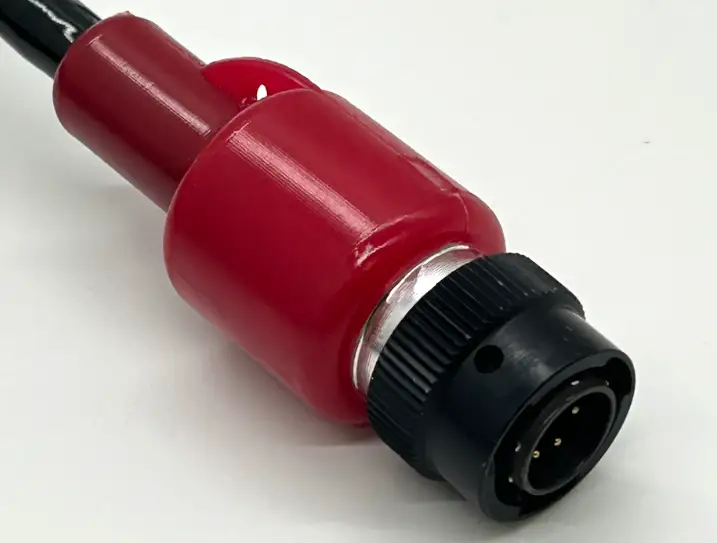
- Connectors: Overmolded electrical connectors and wiring harnesses provide enhanced protection against moisture, dust, and vibration, ensuring reliable electrical connections.
- Rubber Seals and Gaskets: Overmolding is commonly used for creating gaskets and seals that provide a tight barrier against oil, coolant, and air leaks. These overmolded components ensure the integrity of the engine system and prevent performance issues.
- Filters: Overmolding can be used to produce automotive filters, where a durable core material is combined with a soft elastomer to create an efficient, long-lasting filtration system.
Materials Used in Automotive Overmolding
The choice of materials plays a vital role in the success of automotive overmolding. Different materials offer different properties that are suited to specific applications. Some of the most commonly used materials in automotive overmolding include:
Thermoplastic Elastomers (TPE)
TPEs are widely used in automotive overmolding due to their flexibility, durability, and ease of processing. TPEs are commonly used for producing soft-touch components like door handles, steering wheels, and gear shifters. They offer good resistance to wear and UV degradation, making them ideal for exterior and interior parts exposed to harsh conditions.
Silicone
Silicone is often used in automotive overmolding applications that require high-temperature resistance and biocompatibility. Silicone is commonly used for under-the-hood components, gaskets, and seals, where it can withstand extreme temperatures and harsh chemicals while maintaining its flexibility and durability.
Polyurethane (PU)
Polyurethane is known for its exceptional wear resistance, flexibility, and impact resistance. It is commonly used in automotive overmolding for parts like bumpers, seals, and trim pieces. PU offers excellent durability and protection against harsh weather conditions and UV degradation.
Polycarbonate (PC)
Polycarbonate is a strong, transparent material often used in overmolded automotive parts like lenses, lighting, and decorative components. It offers high impact resistance and can be overmolded with soft elastomers to improve grip or comfort.
Design Considerations for Automotive Overmolding
While overmolding offers numerous advantages, there are several important design considerations that automotive engineers must take into account to ensure successful manufacturing of overmolded parts. These considerations include material selection, part geometry, mold design, and processing parameters. Let’s explore these factors in more detail:
Material Compatibility and Adhesion
One of the most critical aspects of overmolding is ensuring the materials used for the core and overmold layer bond properly. Engineers must select materials that have compatible physical and chemical properties to ensure strong adhesion between the two materials. Proper surface treatment, such as plasma treatment or priming, may be necessary to enhance adhesion between the core and overmold material.
For instance, a rigid plastic core material like polypropylene or polycarbonate may be overmolded with a softer material like thermoplastic elastomer (TPE) or silicone. The materials must have similar melting points and chemical compositions to ensure a secure bond that won’t fail under stress or during long-term use.
Part Geometry and Mold Design
The complexity of part geometry is another important factor in the overmolding process. Components with intricate shapes or complex features, such as undercuts, threads, or snap-fits, may require specialized molds and tooling. To avoid complications during molding and to ensure smooth part ejection, engineers should aim for parts with simple, streamlined geometries.
Draft angles (slight slopes on the walls of the mold cavity) are also important in the design of overmolded parts. These angles facilitate easy removal of the part from the mold after the molding process. Typically, a 1-3 degree draft angle is recommended for most overmolded components, but this can vary based on the material and part design.
Design for Manufacturability (DFM)
Engineers should always design automotive overmolded components with manufacturability in mind. This involves considering factors such as ease of molding, cycle time, and material efficiency. Using tools like simulation software, engineers can predict how the materials will behave during the injection molding process, identifying potential issues such as flow lines, air traps, or short shots before production begins.
Additionally, designing parts with consistent wall thicknesses helps ensure uniform material flow and reduces the risk of warping or stress during cooling. Parts with significant variations in thickness may result in uneven cooling and shrinkage, which can lead to defects.
Tolerances and Fit
In automotive manufacturing, precision is key, especially for components that need to fit with other parts. Overmolding can sometimes create challenges when it comes to maintaining tight tolerances between the core and overmolded materials. Engineers must account for shrinkage during the cooling phase of the molding process, as both materials will contract at different rates.
Using materials with predictable shrinkage characteristics and working with experienced molding partners can help ensure that overmolded components meet the required dimensional tolerances.
Injection Molding Process Parameters
The injection molding process itself requires careful consideration of parameters like injection speed, temperature, pressure, and cooling rates. Engineers must optimize these factors to ensure that the core material and overmold material fill the mold evenly and bond properly.
For example, the overmolding material must be injected at the right temperature and pressure to ensure it bonds to the core material without causing defects like voids or delamination. Cooling rates must also be controlled to prevent warping or uneven shrinkage in the final part.
Post-Processing and Finishing
After the overmolding process is complete, the parts may require additional post-processing steps, such as trimming excess material, removing flash (excess overmold material that extends beyond the mold cavity), or performing surface treatments. It’s essential that engineers design parts to minimize the need for excessive post-processing, as this can add time and costs to the production process.
For instance, overmolded automotive parts with tight tolerances or intricate features may require careful trimming to remove flash, which could potentially affect the overall aesthetics and functionality of the part.
Real-World Examples of Automotive Overmolding Applications
Let’s take a closer look at some real-world examples of overmolding in the automotive industry to better understand how the process is applied to improve functionality, aesthetics, and durability:
Door Handles and Trim Components
Overmolding is commonly used for automotive interior door handles and trim components. The core material is often a rigid plastic, such as polycarbonate, while the overmolded layer is typically a soft-touch material like TPE or silicone. This combination results in a part that is not only durable and resistant to wear but also provides a comfortable grip.
In addition to the functional benefits, overmolding allows automotive manufacturers to create visually appealing trim parts with custom colors, textures, and finishes. This is particularly important for premium vehicle models, where aesthetics play a significant role in the overall user experience.
Steering Wheels
The steering wheel is one of the most important components of a vehicle, as it directly affects the driver’s comfort and control. Overmolding is commonly used to create steering wheels with a rigid core (often made from metal or plastic) and a soft, flexible overmold layer made from TPE, silicone, or polyurethane.
Overmolded steering wheels provide better grip, improved comfort, and a reduction in hand fatigue, especially for vehicles that are designed for long-distance driving or performance. The overmolded material also helps with the longevity of the steering wheel by preventing wear and UV damage, which is especially important for vehicles exposed to harsh sunlight.
Gear Shift Knobs
Gear shift knobs benefit significantly from overmolding due to the added comfort and grip it provides to the driver. Typically, the gear shift knob has a rigid plastic core, which is then overmolded with a soft elastomer like TPE. This design provides a comfortable, ergonomic surface that allows the driver to easily shift gears, improving overall driving experience.
The overmolding process also allows for custom textures, colors, and designs that can match the aesthetic of the vehicle’s interior.
Bumpers and Exterior Parts
Overmolding plays a critical role in producing automotive bumpers and exterior trim parts that are durable and capable of withstanding environmental factors such as UV exposure, moisture, and impact. Typically, the base material for these parts is a strong plastic such as polypropylene, while the overmold layer is made from a soft elastomer like TPE or rubber.
The overmolded components provide enhanced impact resistance, making them more durable in the event of minor collisions, while also offering a softer, more aesthetically pleasing finish. Overmolding can also improve the vehicle’s aerodynamics and fuel efficiency by reducing the weight of exterior parts.
Conclusion
Automotive overmolding is an essential manufacturing process that provides numerous advantages, including improved ergonomics, increased durability, cost savings, design flexibility, and enhanced aesthetic appeal.
By combining two materials with complementary properties, overmolding helps automotive engineers create high-performance parts that meet the demanding needs of modern vehicles.
From interior components like door handles and steering wheels to exterior parts such as bumpers and trim, overmolding is used to produce a wide range of automotive components that enhance the overall user experience.
By carefully selecting materials, optimizing design and mold parameters, and addressing manufacturing challenges, automotive engineers can leverage overmolding to create innovative, high-quality parts that meet both performance and aesthetic standards.