Overmolding is an essential manufacturing process where one material is molded over another to create a single, integrated part with enhanced properties such as flexibility, durability, and ergonomics. This technique is commonly used across various industries, including automotive, medical devices, electronics, and consumer products.
The choice of materials for overmolding is crucial because the right combination of materials ensures that the final product meets functional, aesthetic, and performance requirements.
In this article, we will provide a comprehensive comparison of the best materials for overmolding, discussing their properties, advantages, applications, and limitations. Whether you’re looking for materials for medical device components, consumer electronics, or automotive parts, this guide will help you make an informed decision on the best materials for your overmolding needs.
1. What is Overmolding?
Overmolding is a two-step manufacturing process that involves creating a part by molding a secondary material (the overmold) over a primary substrate (the core material). The overmolding material typically provides enhanced qualities such as increased flexibility, better grip, improved aesthetics, or protection from wear and tear. Overmolding can be done using various methods, including injection molding, compression molding, and transfer molding.
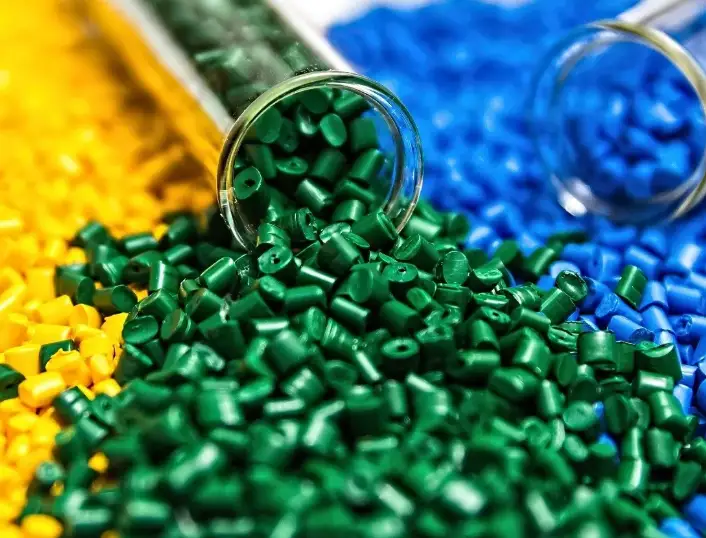
The success of the overmolding process depends largely on the compatibility of the materials used. The primary material (core) and the overmolding material must bond together effectively, resulting in a durable, long-lasting product.
2. Key Properties to Consider When Choosing Overmolding Materials
Before diving into specific materials, it’s important to understand the key properties that affect material selection in overmolding. These properties include:
- Adhesion: The ability of the overmolding material to bond effectively with the substrate material is crucial for ensuring durability and functionality.
- Flexibility: Some applications require flexible materials, such as soft-touch grips or shock-absorbing components.
- Durability: Overmolded parts often need to withstand harsh environments, so the material must be resistant to wear, impact, chemicals, and UV exposure.
- Biocompatibility: For medical applications, materials must be biocompatible, non-toxic, and able to withstand repeated sterilization.
- Thermal Resistance: Materials used in overmolding should be able to withstand the temperatures they will encounter during production and in the final application.
- Aesthetic Qualities: For consumer goods, the material’s texture, color, and finish can significantly affect the final product’s appearance.
3. Best Materials for Overmolding
Now let’s compare some of the most popular materials used for overmolding, including thermoplastics, thermosets, elastomers, and silicones. Each of these materials has distinct characteristics, making them suitable for different applications.
3.1. Thermoplastic Elastomers (TPE)
Overview: Thermoplastic elastomers (TPE) are one of the most widely used materials for overmolding. They combine the properties of rubber with the processability of thermoplastics. TPEs are versatile, easy to process, and can be molded over a wide range of substrates.
Key Properties:
- Excellent flexibility and softness
- Good chemical and abrasion resistance
- Can be recycled and reused
- Cost-effective
- Wide range of hardness options (from soft to rigid)
Advantages:
- TPEs are highly versatile and can be used in a variety of applications, from medical devices to automotive parts.
- They provide excellent grip, which makes them ideal for handles, buttons, and ergonomic components.
- The materials can be injection-molded and processed at relatively low temperatures.
Applications:
- Consumer electronics (e.g., smartphone cases, remote controls)
- Automotive parts (e.g., seals, grips, trim)
- Medical devices (e.g., baby bottle nipples, grips on surgical tools)
Limitations:
- TPEs are not as durable as some other materials, especially in extremely harsh environments.
- Limited temperature resistance when compared to thermoset elastomers.
3.2. Silicone
Overview: Silicone is a highly versatile elastomeric material that is widely used for overmolding in medical, consumer, and industrial applications. Its superior biocompatibility, high temperature resistance, and flexibility make it an ideal choice for a wide range of demanding applications.
Key Properties:
- High-temperature resistance (up to 230°C or 446°F)
- Biocompatible and hypoallergenic
- Flexibility and softness
- Non-toxic and food-grade options available
- Excellent weatherability and UV resistance
Advantages:
- Silicone is extremely durable and can withstand harsh environmental conditions, including high temperatures, moisture, and UV exposure.
- Its biocompatibility makes it a top choice for medical devices and applications in contact with the human body.
- Silicone has excellent sealing properties, making it ideal for parts that need to be moisture- or air-tight.
Applications:
- Medical devices (e.g., catheters, breast implants, baby products)
- Consumer products (e.g., bakeware, kitchen tools, phone cases)
- Automotive (e.g., seals, gaskets, electrical connectors)
Limitations:
- Silicone is typically more expensive than other materials like TPE and thermoplastics.
- It can be challenging to bond with some substrates, particularly certain types of plastics.
3.3. Thermoplastic Polyurethane (TPU)
Overview: Thermoplastic polyurethane (TPU) is a highly flexible and durable elastomer that is often used in overmolding. TPU is known for its excellent wear resistance, elasticity, and resistance to oils, greases, and chemicals.
Key Properties:
- High wear and abrasion resistance
- Elasticity and flexibility
- Resistance to oils, grease, and chemicals
- UV and weather resistance
- Good tear strength
Advantages:
- TPU is highly durable, making it ideal for products that undergo wear and tear, such as footwear, tools, and automotive components.
- It provides excellent flexibility and stretchability, making it a good choice for parts that need to bend or flex without breaking.
- TPU can be overmolded on a wide range of substrates, including metals, plastics, and composites.
Applications:
- Sports and fitness equipment (e.g., protective padding, straps)
- Automotive parts (e.g., bumpers, seals)
- Medical devices (e.g., tubing, catheters)
- Consumer goods (e.g., footwear, mobile phone cases)
Limitations:
- TPU has lower temperature resistance compared to silicone and other thermoset materials.
- It can be more expensive than general-purpose plastics, limiting its use in low-cost applications.
3.4. Polycarbonate (PC)
Overview: Polycarbonate (PC) is a strong, impact-resistant plastic that is frequently used in overmolding for its durability and ability to bond well with elastomers. It offers high strength and optical clarity, making it a good choice for functional and aesthetic applications.
Key Properties:
- High impact and abrasion resistance
- Optical clarity and transparency (in certain grades)
- Good dimensional stability
- High heat resistance
- Easy to mold
Advantages:
- Polycarbonate offers superior impact resistance, making it ideal for applications that require durability, such as automotive and safety equipment.
- It provides excellent clarity, which is useful for certain consumer products or lighting applications.
- PC can be easily overmolded with elastomers like TPE, silicone, and TPU.
Applications:
- Automotive components (e.g., headlight lenses, panels)
- Consumer electronics (e.g., computer housings, optical lenses)
- Medical devices (e.g., diagnostic tools, containers)
- Sports equipment (e.g., protective gear)
Limitations:
- Polycarbonate is sensitive to scratches and can be prone to damage from certain chemicals.
- The material can be more costly than standard plastics like polypropylene and polyethylene.
3.5. PVC (Polyvinyl Chloride)
Overview: Polyvinyl chloride (PVC) is a widely used plastic material that is commonly employed in overmolding for applications requiring low-cost, high-strength materials. It is available in both rigid and flexible forms, making it adaptable to different applications.
Key Properties:
- Cost-effective
- Easy to process
- Good chemical resistance
- Flexible (when plasticized)
Advantages:
- PVC is one of the most cost-effective materials for overmolding, making it ideal for mass-produced consumer goods and industrial applications.
- It offers good chemical and abrasion resistance, ensuring longevity in harsh environments.
- PVC can be used to create flexible or rigid components, depending on the requirements.
Applications:
- Electrical and plumbing fittings
- Consumer products (e.g., toys, medical tubing)
- Automotive components (e.g., interior trim, seals)
- Packaging materials
Limitations:
- PVC has lower temperature resistance compared to materials like silicone and TPU.
- It can release toxic fumes during processing and requires proper ventilation and handling.
4. Choosing the Best Material for Overmolding
Choosing the best material for overmolding depends on several factors, including the specific application, required properties, and production considerations. Materials such as TPE, silicone, TPU, polycarbonate, and PVC each offer distinct advantages for different industries.
- TPE is ideal for applications requiring flexibility and cost-effectiveness.
- Silicone is the top choice for biocompatibility, temperature resistance, and medical applications.
- TPU is excellent for wear-resistant, flexible parts.
- Polycarbonate offers strength, clarity, and impact resistance for durable parts.
- PVC is suitable for budget-conscious applications requiring good chemical resistance.
By understanding the unique properties and benefits of each material, manufacturers can select the most appropriate one for their overmolding needs. Factors such as material cost, required durability, environmental conditions, and any specific performance characteristics (like flexibility, grip, or biocompatibility) will ultimately determine the best choice.
Additionally, the design of the overmolded part and the chosen manufacturing process (e.g., injection molding, compression molding) will also influence the material decision. It’s important to work closely with material suppliers, molders, and design engineers to ensure that the selected material meets both functional and economic requirements while ensuring that it bonds effectively to the core material.
As industries continue to evolve and consumer demands for higher-quality, more sustainable products increase, overmolding will remain a powerful tool in creating innovative, multi-material solutions across diverse sectors.
5. Summary of Best Materials for Overmolding
| Material | Key Properties | Applications | Advantages | Limitations |
|---|---|---|---|---|
| Thermoplastic Elastomers (TPE) | Flexible, cost-effective, recyclable, good grip | Consumer electronics, automotive parts, medical devices | Versatile, easy to process, soft-touch properties, recyclable | Limited durability in harsh environments, lower temperature resistance |
| Silicone | High temperature resistance, biocompatible, flexible | Medical devices, consumer goods, automotive, bakeware | Biocompatible, durable, excellent sealing properties, UV resistant | Higher cost, bonding challenges with certain plastics |
| Thermoplastic Polyurethane (TPU) | Wear and abrasion resistance, flexibility, UV resistance | Sports equipment, automotive parts, medical devices | Highly durable, good for flexible parts, resistant to oils and chemicals | Lower temperature resistance, more expensive than general plastics |
| Polycarbonate (PC) | High impact resistance, optical clarity, heat resistance | Automotive, consumer electronics, medical devices | Strong, impact-resistant, transparent, durable | Scratches easily, sensitive to certain chemicals |
| PVC (Polyvinyl Chloride) | Cost-effective, flexible (when plasticized), good chemical resistance | Electrical fittings, toys, medical tubing, automotive parts | Low cost, easy to process, good chemical resistance | Lower temperature resistance, toxic fumes during processing |
Conclusion
When it comes to selecting materials for overmolding, there is no one-size-fits-all solution. The key is to consider the specific demands of the application, the performance requirements, and the advantages and limitations of each material.
TPE is ideal for cost-effective, flexible applications, while silicone is unmatched for high-performance, biocompatible, and high-temperature environments. TPU is excellent for wear-resistant, flexible applications, while polycarbonate is the go-to for high-impact strength and clarity. PVC remains a reliable choice for budget-conscious projects requiring good chemical resistance.
Ultimately, by understanding the characteristics of each material and how they interact with each other in the overmolding process, manufacturers can design products that meet the highest standards of performance, durability, and cost-efficiency.