Industrial tools and equipment operate in some of the harshest environments in manufacturing, construction, energy, and maintenance industries. They are exposed to impact, vibration, oils, chemicals, moisture, and extreme temperatures—often on a daily basis. To meet these demands, manufacturers increasingly rely on industrial overmolding to enhance durability, safety, and usability.
Industrial overmolding for tools and equipment combines rigid structural materials with softer, functional layers in a single integrated part. This manufacturing approach improves grip, shock absorption, sealing, and insulation while reducing assembly steps and long-term failure risks.
This article explores how industrial overmolding works, the materials used, design considerations, common applications, quality requirements, and why overmolding has become a preferred solution for heavy-duty tools and equipment.
What Is Industrial Overmolding?
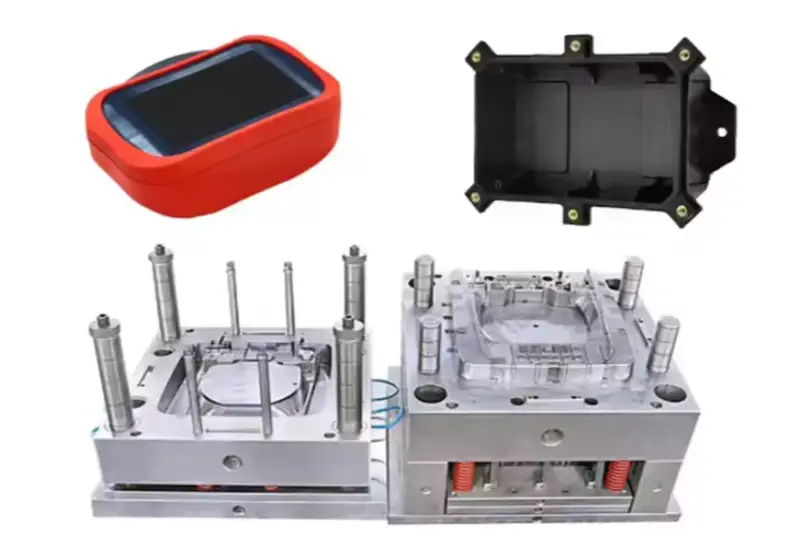
Industrial overmolding is an injection molding process where a second material is molded over a pre-formed substrate, typically used in rugged, performance-driven products. The substrate provides structural strength, while the overmold material adds functional benefits such as grip, cushioning, sealing, or electrical insulation.
Unlike decorative overmolding used in consumer goods, industrial overmolding is performance-focused. The primary goal is to extend product life, improve safety, and ensure reliable operation under demanding conditions.
Why Overmolding Is Ideal for Industrial Tools
Industrial tools must perform consistently under stress. Overmolding directly addresses common challenges in tool and equipment design.
Key Performance Benefits
- Improved ergonomic grip for operator safety
- Shock and vibration dampening
- Resistance to oils, chemicals, and abrasion
- Enhanced impact protection
- Reduced noise and operator fatigue
- Improved moisture and dust sealing
These benefits make overmolding an essential technology in industrial product development.
Common Materials Used in Industrial Overmolding
Material selection is critical for industrial overmolding applications, where durability and environmental resistance matter more than appearance.
Substrate Materials
Rigid substrates typically include:
- ABS
- Polycarbonate (PC)
- Nylon (PA6, PA66)
- Glass-filled engineering plastics
- Metal inserts (steel, aluminum)
These materials provide the strength and dimensional stability required for industrial use.
Overmolding Materials
Overmold materials are selected based on functional requirements.
Common choices include:
- TPE (Thermoplastic Elastomers)
- TPU (Thermoplastic Polyurethane)
- Rubber-like compounds
- Silicone (for sealing and temperature resistance)
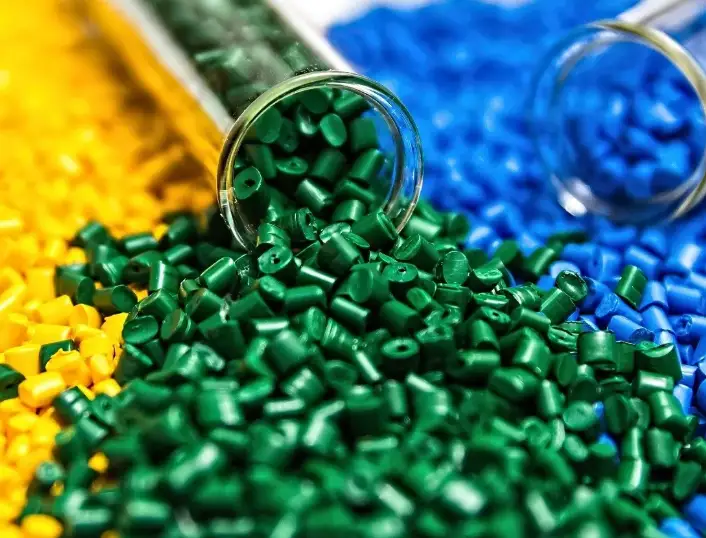
Each material offers different levels of hardness, chemical resistance, and durability.
Material Compatibility and Bonding in Industrial Overmolding
Strong adhesion between materials is essential for long-term performance.
Chemical Bonding
When compatible materials are used, chemical bonding occurs during injection, creating a molecular-level bond that resists peeling and delamination.
Mechanical Bonding
For difficult material combinations, mechanical interlocks such as undercuts, grooves, and through-holes are used to physically lock the overmold to the substrate.
Most industrial overmolded tools use a combination of both bonding methods for maximum reliability.
Design Considerations for Industrial Tools and Equipment
Industrial overmolding design prioritizes function, strength, and durability.
Ergonomics and Grip Design
Overmolded grips must:
- Reduce hand fatigue
- Maintain grip in oily or wet conditions
- Resist wear from repeated use
Texture, hardness, and thickness must be carefully engineered.
Impact and Wear Resistance
Overmolded areas often act as protective bumpers or shock absorbers. Proper thickness and material choice prevent cracking and surface damage.
Environmental Resistance
Industrial tools are exposed to:
- Oils and lubricants
- Solvents and chemicals
- UV radiation
- Heat and cold
Overmold materials must be tested for long-term resistance in real working environments.
Overmolding Process Methods for Industrial Applications
Different production methods are used depending on volume and complexity.
Two-Shot Injection Molding
Two-shot molding is ideal for high-volume industrial tools requiring precise material placement and strong bonding.
Advantages:
- Consistent quality
- Reduced handling
- High production efficiency
Insert and Transfer Overmolding
For lower volumes or complex assemblies, substrates are molded separately and transferred for overmolding.
This approach offers flexibility and lower initial tooling cost.
Typical Industrial Overmolding Applications
Industrial overmolding is widely used across multiple tool and equipment categories.
Handheld Power Tools
Examples include:
- Drills
- Grinders
- Impact drivers
Overmolding improves grip, vibration damping, and operator safety.
Hand Tools
Tools such as pliers, screwdrivers, and wrenches use overmolding to enhance comfort and control during repetitive tasks.
Industrial Control Handles and Levers
Overmolding improves tactile feedback, durability, and resistance to wear in machine interfaces.
Protective Housings and Covers
Overmolded housings protect sensitive components from impact, moisture, and dust.
Electrical and Insulated Tools
Overmolding provides electrical insulation and added safety for tools used in high-risk environments.

Quality Control in Industrial Overmolding
Industrial tools demand strict quality standards.
Key Quality Checks
- Bond strength testing
- Dimensional inspection
- Visual inspection for defects
- Environmental and stress testing
Advanced manufacturers use SPC and automated inspection systems to maintain consistency.
Tooling and Mold Design Challenges
Industrial overmolding molds must handle:
- High-pressure materials
- Abrasive compounds
- Tight tolerances
Proper mold design ensures long tool life and consistent part quality.
Cost Considerations for Industrial Overmolding
While industrial overmolding requires higher tooling investment, it often reduces total cost of ownership.
Cost Drivers
- Material selection
- Mold complexity
- Production volume
- Cycle time
Cost Optimization Strategies
- Integrating multiple functions into one part
- Reducing secondary assembly
- Designing for durability and long service life
Sustainability in Industrial Overmolding
Sustainability is becoming more important in industrial manufacturing.
Sustainable Practices Include
- Durable designs that reduce replacement frequency
- Efficient material usage
- Energy-efficient molding processes
Overmolding supports sustainability by extending product life and reducing waste.
Choosing an Industrial Overmolding Partner
Selecting the right manufacturing partner is critical.
What to Look For
- Experience with industrial-grade materials
- Strong DFM and engineering support
- Proven quality systems
- Ability to handle complex tooling
A capable partner helps optimize performance, cost, and reliability.
Common Challenges and How to Avoid Them
Adhesion Failure
Prevented through material compatibility testing and mechanical locking design.
Premature Wear
Solved by selecting abrasion-resistant overmold materials.
Environmental Degradation
Avoided by testing materials under real-world conditions.
Future Trends in Industrial Overmolding
Industrial overmolding continues to evolve with:
- Advanced elastomer formulations
- Improved automation
- Smart tool integration
As tools become more complex, overmolding will play an even greater role in performance-driven design.
Conclusion
Industrial overmolding for tools and equipment is more than a comfort feature—it is a strategic manufacturing solution that improves safety, durability, and user experience in demanding environments.
By combining the right materials, thoughtful design, and controlled manufacturing processes, overmolding enables industrial tools to perform better, last longer, and deliver greater value.
For manufacturers of professional-grade tools and equipment, industrial overmolding is no longer optional—it is a competitive advantage.