Overmolding is a sophisticated and highly effective manufacturing process used to create multi-material parts. By molding one material over another, engineers can produce components that offer superior performance, durability, and functionality, all while simplifying assembly and reducing costs. This process is widely used across industries such as automotive, medical devices, consumer electronics, and industrial applications.
However, successful overmolding requires careful consideration of several factors during the design phase. For engineers tasked with developing overmolded components, understanding the key design guidelines is crucial to ensure the desired performance, quality, and cost-efficiency.
In this article, we will outline the essential overmolding design guidelines for engineers, covering everything from material selection and part geometry to mold design and process considerations. By following these best practices, engineers can optimize their designs for manufacturability and functionality.
What is Overmolding?
Overmolding is a manufacturing process where a second material (usually a thermoplastic elastomer or rubber) is molded over an existing substrate, which could be made of plastic, metal, or another material. This creates a single, integrated part with enhanced properties such as grip, flexibility, sealing capabilities, and aesthetic appeal.
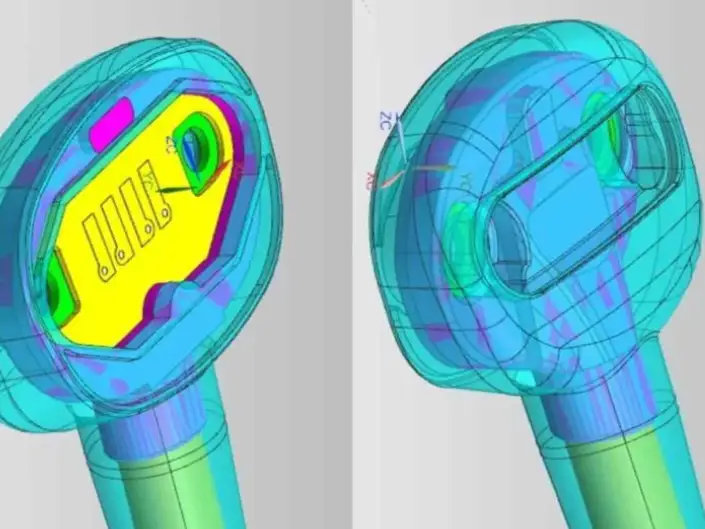
For example, in automotive parts, overmolding may be used to create a rigid plastic component with a soft-touch, rubberized surface for better ergonomics and comfort. In medical devices, overmolding can provide both biocompatibility and enhanced durability.
The material choices and part design play a key role in achieving the desired performance and functionality of the final product.
Key Overmolding Design Considerations
To ensure a successful overmolding project, engineers must consider various factors from the initial design stage. These considerations will guide material selection, mold design, and part functionality.
Material Compatibility
One of the most critical aspects of overmolding is ensuring that the core material (the substrate) and the overmolding material (the secondary layer) are compatible. The materials must bond effectively during the molding process to create a durable, long-lasting part. When selecting materials, engineers should consider:
- Adhesion: The overmolding material must bond securely with the substrate to ensure the two materials do not delaminate under stress. Some materials, like certain metals, may require a primer or special surface treatment to improve adhesion.
- Chemical and Thermal Compatibility: The two materials should have similar processing temperatures to prevent issues such as warping or inadequate bonding. Additionally, engineers should consider how the materials will perform under the expected thermal and chemical conditions of the application.
- Material Properties: The chosen materials should meet the specific functional requirements of the part. For instance, if the overmolded part is intended to be exposed to UV light, it is important to select materials that offer UV stability. Similarly, for medical applications, biocompatibility and sterilization capabilities should be considered.
Part Geometry
The geometry of the part plays a significant role in the success of the overmolding process. Engineers must design parts that allow for proper material flow, bonding, and ejection from the mold. Key factors to consider include:
- Tapered Edges: To avoid issues during ejection, parts with sharp corners or non-tapered edges can create resistance in the mold. Designing parts with smooth, tapered edges can help minimize this resistance and improve the mold release.
- Wall Thickness: Uneven wall thicknesses can result in inconsistent molding, where the overmolding material may not fully fill the cavity, or the substrate may experience stress concentrations. Ensuring uniform wall thickness in the part design will facilitate consistent material flow and ensure uniform bonding.
- Under-Cuts and Interlocking Features: Designing parts with undercuts or interlocking features can help ensure that the overmold material bonds securely to the substrate. However, these features must be carefully considered in the mold design to avoid complications during the molding process.
Draft Angles
Draft angles are an essential consideration in overmolded part design, as they allow the part to be easily ejected from the mold without causing damage to either the part or the mold. Typically, a draft angle of 1-3 degrees is recommended for most parts, but the specific angle may vary depending on the geometry and the material used.
For overmolding applications, draft angles are particularly important where the substrate and overmolding materials meet. Without sufficient draft, the overmolded part could experience excessive wear during ejection, leading to defects or damage.

Tolerances and Fits
Overmolding requires precise tolerances to ensure that the two materials fit together correctly and that the final part meets performance standards. Engineers should consider the shrinkage rates of both materials, as well as any thermal expansion or contraction that may occur during molding.
It is also crucial to ensure that the overmold material does not interfere with the functionality of the substrate. For example, overmolding a switch or button should not create excessive force that could hinder its operation.
Best Practices for Overmolding Design
In addition to the basic design considerations outlined above, there are several best practices that engineers should follow to optimize their overmolding designs:
Optimize Gate Location and Size
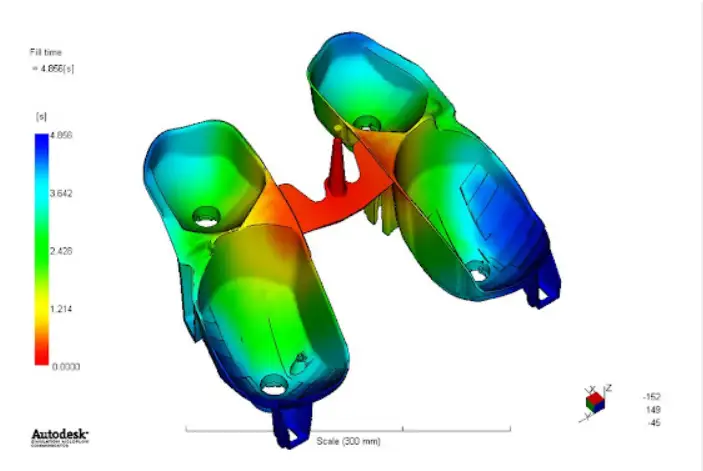
The gate is where the overmolding material is injected into the mold cavity. The location and size of the gate are critical in determining how effectively the material fills the cavity and how easily air can escape. Engineers should carefully plan the gate position to ensure uniform material flow and prevent defects such as short shots, air traps, or weld lines.
Use of Support Ribs
In cases where additional support is needed for the substrate, engineers can incorporate support ribs into the part design. These ribs can help reinforce the substrate and prevent deformation during the overmolding process. However, the ribs should be designed carefully to avoid adding unnecessary complexity to the mold.
Design for Manufacturability (DFM)
Engineers should design parts with manufacturability in mind, which means considering how easily and cost-effectively the parts can be produced. This includes minimizing complex geometries, ensuring sufficient draft angles, and making sure the design can be molded with minimal post-processing or secondary operations.
Consider Multi-Shot Molding for Complex Parts
For more complex overmolding applications, where multiple materials with different properties are required, multi-shot molding can be an excellent solution. Multi-shot molding involves injecting different materials in separate stages to create a single part. This approach can offer more precise control over material placement and allows for greater design flexibility.
Design for Stress Relief
Overmolded parts are subject to mechanical stresses that can cause warping or distortion. Engineers should design the part geometry to minimize internal stresses, such as by incorporating relief features or avoiding sharp corners that can act as stress concentrators. Additionally, ensuring uniform material thickness and using materials with complementary properties can reduce the likelihood of part failure.
Mold Design for Overmolding
Once the part design is complete, the next step is designing the mold that will create the overmolded part. The mold design is a critical factor in determining the quality and efficiency of the overmolding process. Some important considerations for mold design include:
Mold Venting
Proper venting is essential to prevent air traps or vacuum pockets from forming during the injection of the overmolding material. Mold vents allow air to escape, ensuring that the cavity is filled evenly and completely. Engineers must ensure that the mold is designed with sufficient venting to avoid defects and reduce the risk of incomplete filling.
Material Flow Path
The material flow path should be designed to ensure uniform filling of the mold cavity. This includes optimizing the placement of gates, runners, and sprues to ensure that the overmolding material flows smoothly and evenly into the cavity. Engineers should also ensure that the flow path minimizes turbulence and short shots.
Temperature Control
Temperature control within the mold is vital for achieving consistent material flow and ensuring that the overmolding material bonds effectively with the substrate.
Engineers should incorporate heating or cooling channels into the mold to regulate the temperature during the molding process. Proper temperature control helps maintain material consistency and reduces cycle times.
Overmolding Process Considerations
Beyond part and mold design, engineers must also consider the specifics of the overmolding process itself. These considerations include:
Injection Molding Parameters
The injection molding process parameters, such as pressure, temperature, and injection speed, must be carefully optimized to ensure successful overmolding. These parameters vary depending on the materials used, the part design, and the complexity of the mold.
Cycle Time
Overmolding can add additional time to the injection molding process, as both the substrate and the overmold material must be injected, and the part must be cooled and ejected. Engineers must account for these additional steps when estimating production time and cost.
Post-Processing
Some overmolded parts may require post-processing steps, such as trimming excess material, removing flash, or performing surface treatments. Designing the part with ease of post-processing in mind can help reduce labor costs and improve overall production efficiency.
Conclusion
Overmolding is a powerful manufacturing technique that allows engineers to create highly functional, multi-material components with superior performance characteristics.
However, to achieve optimal results, engineers must pay close attention to key design considerations, including material compatibility, part geometry, mold design, and process parameters. By following these design guidelines and best practices, engineers can ensure that their overmolded parts meet both