Sustainability is no longer a “nice to have” in manufacturing—it has become a core requirement. Across industries such as automotive, medical devices, consumer electronics, and industrial equipment, manufacturers are under increasing pressure to reduce environmental impact while maintaining product performance and cost efficiency.
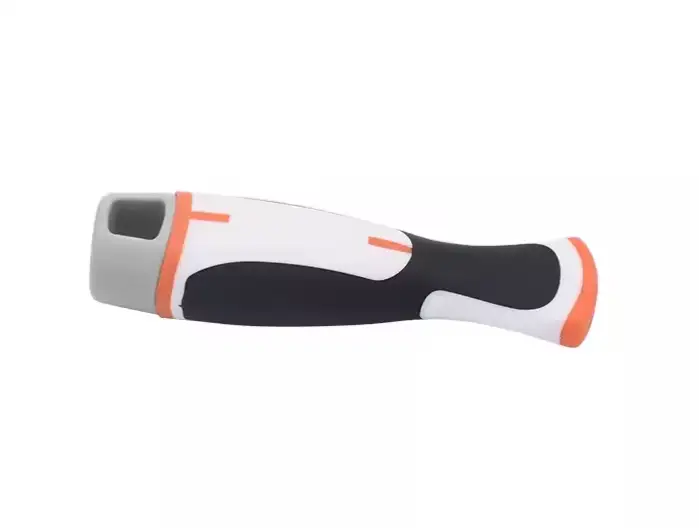
Overmolding, as a process that combines multiple materials into a single part, plays a unique role in this transition. Traditionally, overmolding has been criticized for material complexity and recycling challenges, but recent advances in sustainable materials and process design are changing that perception.
This article explores sustainable materials in overmolding manufacturing, covering material innovations, design strategies, regulatory drivers, real-world applications, and what the future holds for greener overmolding solutions.
Why Sustainability Matters in Overmolding Manufacturing
Overmolding is widely used to improve:
- Ergonomics (soft-touch grips)
- Sealing and protection
- Durability and product life
However, sustainability concerns arise because overmolded parts often combine two or more different polymers, making them harder to recycle using traditional methods.
Key sustainability pressures include:
- Environmental regulations
- Corporate ESG commitments
- Customer demand for eco-friendly products
- Rising raw material costs
As a result, manufacturers are actively seeking sustainable overmolding materials that balance performance, cost, and environmental responsibility.
What Are Sustainable Materials in Overmolding?
Sustainable materials in overmolding generally fall into four main categories:
- Bio-based materials
- Recycled and recycled-content materials
- Recyclable mono-material systems
- Low-impact, long-life engineered materials
Sustainability is not just about the material itself—it also involves energy use, waste reduction, and product lifecycle impact.
Bio-Based Materials for Overmolding Applications
What Are Bio-Based Polymers?
Bio-based materials are derived partially or fully from renewable biological sources such as:
- Corn
- Sugarcane
- Vegetable oils
- Cellulose
These materials reduce dependence on fossil fuels and lower carbon footprint.
Bio-Based Elastomers for Overmolding
Recent developments have introduced bio-based versions of:
- TPE
- TPU
- Soft-touch elastomers
These materials are increasingly used for:
- Consumer product grips
- Wearable devices
- Packaging components
Advantages:
- Reduced carbon emissions
- Similar processing behavior to traditional elastomers
- Compatible with standard injection molding equipment
Limitations:
- Higher material cost
- Limited availability in some regions
- Performance constraints for high-temperature applications
Recycled and Recycled-Content Materials in Overmolding
Post-Consumer Recycled (PCR) Plastics
PCR materials are sourced from consumer waste streams and reprocessed into usable resin.
Common PCR substrates for overmolding include:
- PCR ABS
- PCR PP
- PCR PET
Using PCR materials in the substrate layer can significantly reduce environmental impact without compromising functionality.
Recycled Elastomers and Soft Materials
Recycling elastomers is more complex, but progress is being made in:
- Reprocessed TPE compounds
- Mechanically recycled TPU blends
These materials are increasingly suitable for:
- Non-critical soft-touch applications
- Internal components
- Industrial products
Challenges with Recycled Materials in Overmolding
Key challenges include:
- Material consistency
- Color variation
- Bonding reliability between recycled substrate and overmold
To overcome these issues, manufacturers often:
- Use recycled material in the substrate
- Apply virgin or bio-based elastomer for the overmold
This hybrid approach balances sustainability with performance.
Mono-Material and Recyclable Overmolding Systems
The Push Toward Mono-Material Design
One of the biggest sustainability trends in overmolding is mono-material or material-compatible design.
Instead of combining incompatible polymers, manufacturers use:
- PP substrate + PP-based TPE
- PET substrate + PET-compatible elastomer
This allows overmolded parts to be recycled as a single material stream.
Benefits of Recyclable Overmolding Systems
- Easier recycling
- Lower environmental footprint
- Simplified end-of-life processing
- Compliance with circular economy regulations
Designing for recyclability must begin early in the product development stage.
Sustainable Engineering Plastics in Overmolding
Lightweighting and Material Reduction
Overmolding enables designers to:
- Replace metal parts with plastics
- Reduce wall thickness
- Integrate multiple components into one
Lightweighting reduces:
- Raw material usage
- Transportation emissions
- Energy consumption during production
Long-Life Materials and Durability
Sustainability also means making products last longer.
High-performance engineering plastics used in overmolding:
- Improve wear resistance
- Extend product lifespan
- Reduce replacement frequency
Durable products generate less waste over time.
Energy Efficiency and Process Sustainability
Energy-Efficient Injection Molding Machines
Modern overmolding operations increasingly use:
- All-electric injection molding machines
- Hybrid hydraulic-electric systems
Benefits include:
- Lower energy consumption
- Reduced heat loss
- Improved process control
Process Optimization to Reduce Waste
Sustainable overmolding is not just about materials—it also involves:
- Reducing scrap rates
- Optimizing cycle times
- Minimizing material purging
Simulation-driven design and automation help achieve these goals.
Sustainability in Medical and Regulated Overmolding
Medical Overmolding and Sustainability Balance
Medical overmolding faces unique challenges:
- Single-use devices
- Strict material requirements
- Regulatory compliance
While recyclability is limited, sustainability improvements include:
- Material reduction
- Bio-based polymers where allowed
- Energy-efficient cleanroom production
Regulatory and Compliance Considerations
Sustainable materials must still meet:
- ISO 13485 requirements
- FDA and MDR regulations
- Biocompatibility standards
Material traceability and validation are critical.
Automotive and Consumer Electronics Applications
Automotive Overmolding Sustainability Trends
Automotive manufacturers focus on:
- Lightweight materials
- Recyclable interiors
- Reduced carbon footprint
Overmolding supports:
- Soft-touch interior components
- Sealing and vibration control
- Integration of recycled plastics
Consumer Electronics and Green Design
In electronics, sustainability drives:
- Slimmer designs
- Fewer components
- Recyclable housings
Overmolding allows for:
- Integrated sealing
- Reduced adhesives
- Longer product life
Challenges in Sustainable Overmolding Manufacturing
Despite progress, challenges remain:
- Recycling multi-material parts
- Higher cost of sustainable materials
- Limited material availability
- Performance trade-offs
Addressing these challenges requires collaboration between:
- Material suppliers
- Mold designers
- Product engineers
- Manufacturers
The Role of Design for Sustainability (DfS)
Designing Overmolded Parts for Sustainability
Key DfS principles include:
- Minimize material variety
- Optimize overmold thickness
- Design for disassembly where possible
- Use compatible material pairs
Early design decisions have the biggest sustainability impact.
Future Trends in Sustainable Overmolding Materials
Looking ahead, key developments include:
- Improved recyclable elastomers
- Bio-based engineering plastics
- Closed-loop material systems
- Digital material tracking
Sustainability will increasingly influence material selection, tooling strategy, and production planning.
Cost Considerations of Sustainable Overmolding
Sustainable materials often cost more upfront, but benefits include:
- Reduced regulatory risk
- Improved brand value
- Lower long-term environmental costs
When evaluated over the full product lifecycle, sustainable overmolding can be cost-effective.
Sustainable Overmolding: Practical Implementation Strategy
To implement sustainable materials effectively:
- Start with substrate material optimization
- Choose compatible overmold materials
- Validate bonding and performance early
- Measure lifecycle impact, not just material cost
A phased approach reduces risk and improves results.
Final Thoughts on Sustainable Materials in Overmolding Manufacturing
Sustainable materials are reshaping the future of overmolding manufacturing.
While challenges remain, advances in bio-based polymers, recycled materials, and recyclable overmolding systems are making it possible to reduce environmental impact without sacrificing performance.
Manufacturers who invest in sustainable overmolding today will be better positioned to meet future regulations, customer expectations, and market demands.
Sustainability is no longer a limitation—it is becoming a competitive advantage in overmolding manufacturing.