Selecting the right overmolding material can determine the success or failure of a product. Among the most common soft materials used in overmolding, TPU (Thermoplastic Polyurethane) and TPE (Thermoplastic Elastomer) are often compared—and often confused.
Both materials provide flexibility, impact resistance, and improved ergonomics. However, they behave very differently in performance, processing, durability, and cost.
This guide provides a comprehensive comparison of TPU overmolding vs TPE, helping product designers, engineers, and sourcing teams choose the right material for their specific application.
What Is Overmolding?
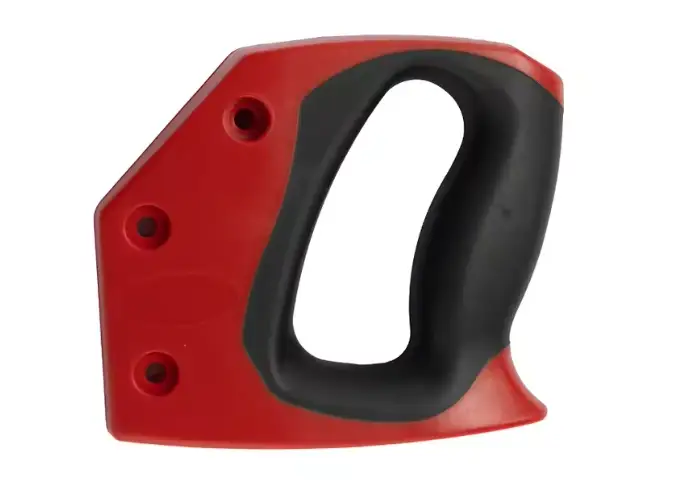
Overmolding is a multi-material injection molding process where a soft or flexible material is molded over a rigid substrate, such as ABS, PC, or nylon.
Typical benefits of overmolding include:
- Improved grip and ergonomics
- Enhanced shock absorption
- Sealing and vibration damping
- Integrated aesthetics
Material selection is critical because it directly affects bonding, performance, cycle time, and cost.
What Is TPU Overmolding?
Overview of TPU Material
TPU (Thermoplastic Polyurethane) is a high-performance elastomer known for its exceptional durability, abrasion resistance, and elasticity.
Key properties of TPU:
- High tensile strength
- Excellent abrasion and tear resistance
- Wide hardness range (Shore A to Shore D)
- Good resistance to oils, greases, and chemicals
TPU is often used in demanding applications where long-term durability is essential.
Common Applications of TPU Overmolding
TPU overmolding is commonly used in:
- Industrial tool handles
- Wearable devices
- Protective cases
- Automotive interior components
- Medical device housings
What Is TPE Overmolding?
Overview of TPE Material
TPE (Thermoplastic Elastomer) is a broad family of elastomeric materials that combine rubber-like flexibility with thermoplastic processing.
Key properties of TPE:
- Soft-touch feel
- Easy processing
- Wide compatibility with rigid plastics
- Lower processing temperatures
TPE is often selected for comfort-focused and cost-sensitive products.
Common Applications of TPE Overmolding
TPE overmolding is widely used in:
- Consumer product grips
- Packaging components
- Electronic device housings
- Personal care products
- Medical disposable devices
TPU overmolding vs TPE: Material Property Comparison
Mechanical Properties
| Property | TPU | TPE |
|---|---|---|
| Abrasion Resistance | Excellent | Moderate |
| Tear Strength | High | Medium |
| Elastic Recovery | Excellent | Good |
| Hardness Range | Wide | Wide |
TPU outperforms TPE in demanding mechanical environments.
Chemical and Environmental Resistance
TPU offers:
- Better resistance to oils and greases
- Stronger resistance to fuels
- Improved long-term performance in harsh conditions
TPE performs well in mild environments but may degrade faster under chemical exposure.
Temperature Performance
- TPU maintains flexibility across a wider temperature range.
- TPE may stiffen or soften more noticeably with temperature changes.
Processing and Overmolding Behavior
Bonding Compatibility
Both TPU and TPE can bond well to substrates like:
- ABS
- PC
- Nylon
- PBT
However:
- TPU often requires higher processing temperatures.
- TPE offers easier bonding with fewer processing challenges.
Cycle Time and Processing Efficiency
- TPE generally allows shorter cycle times.
- TPU requires longer cooling due to higher melt temperatures.
This impacts production cost, especially at high volumes.
Tooling and Production Considerations
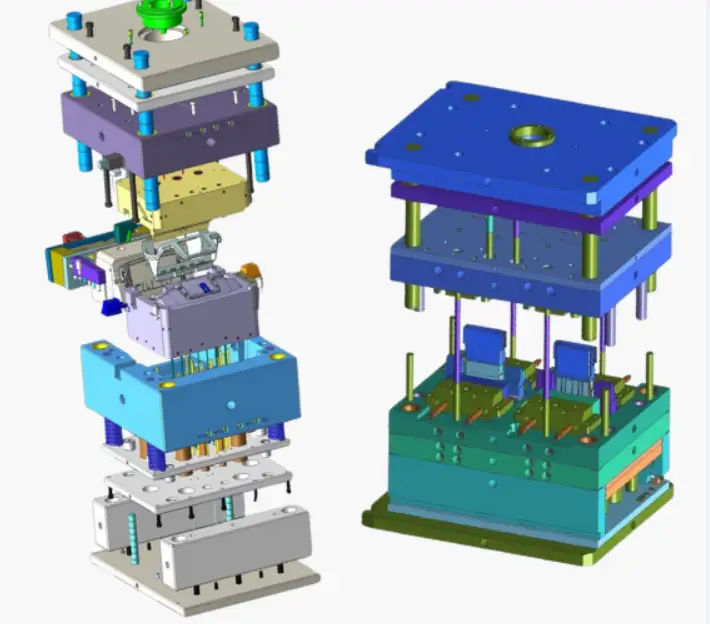
Mold Design Requirements
TPU overmolding requires:
- Higher temperature-resistant tooling
- Precise gate design
- Strong venting control
TPE overmolding is more forgiving, making it ideal for:
- Low-volume production
- Prototyping
- Cost-sensitive projects
Cost Comparison: TPU overmolding vs TPE
Material Cost
| Material | Typical Cost (USD/kg) |
|---|---|
| TPE | 3 – 6 |
| TPU | 4 – 8 |
TPU is generally more expensive due to its performance characteristics.
Total Production Cost
While TPU material cost is higher, it can reduce:
- Product failure rates
- Replacement costs
- Warranty claims
TPE offers lower upfront cost but may have shorter service life.
Durability and Product Lifespan
TPU overmolding excels in:
- High-wear applications
- Repeated flexing
- Outdoor or industrial environments
TPE is suitable for:
- Consumer products
- Shorter product life cycles
- Disposable or semi-durable items
Sustainability Considerations
Recyclability
Both TPU and TPE are thermoplastics and can be recycled, but:
- TPU recycling streams are more limited.
- TPE is often easier to reprocess.
Bio-Based and Recycled Grades
Sustainable grades of both materials are emerging, supporting eco-friendly overmolding strategies.
Industry-Specific Recommendations
Medical Devices
- TPU: durable reusable devices
- TPE: disposable or soft-touch medical components
Automotive
- TPU: abrasion-resistant interior components
- TPE: interior trim and comfort features
Consumer Electronics
- TPU: protective cases and rugged devices
- TPE: grips and aesthetic features

Common Design Mistakes When Choosing TPU or TPE
- Selecting based on cost alone
- Ignoring chemical exposure
- Overlooking long-term durability
- Not validating bonding compatibility early
How to Choose TPU overmolding vs TPE
Ask these key questions:
- What mechanical stress will the part face?
- Is chemical resistance required?
- What is the expected product lifespan?
- What is the target unit cost?
TPU overmolding vs TPE: Quick Decision Guide
| Requirement | Better Choice |
|---|---|
| High abrasion resistance | TPU |
| Soft-touch comfort | TPE |
| Harsh environment | TPU |
| Cost-sensitive | TPE |
| Long-term durability | TPU |
Future Trends in TPU and TPE Overmolding
- Improved bonding technologies
- Sustainable and bio-based formulations
- Wider hardness and performance ranges
- Better recyclability
Material innovation continues to expand design possibilities.
Final Thoughts: TPU Overmolding vs TPE
There is no universal “best” material—only the best material for your application.
TPU overmolding offers superior durability and performance, making it ideal for demanding environments.
TPE overmolding provides flexibility, comfort, and cost efficiency for a wide range of consumer and industrial products.
Understanding their differences allows manufacturers to optimize performance, cost, and product lifespan.
If you are planning an overmolding project, consulting with an experienced material and molding partner early can prevent costly redesigns and ensure the right material choice from the start.